



Introduction to Semana Santa 2025
Semana Santa, or Holy Week, is an important observance in the Christian tradition, commemorating the passion, death, and resurrection of Jesus Christ. This week-long celebration occurs annually, culminating in Easter Sunday. The significance of Semana Santa lies in its deep-rooted religious and cultural importance, which transcends borders, bringing together various communities around the globe through shared faith and devotion.
In the year 2025, Semana Santa will be celebrated from March 28 to April 5. This specific year holds notable significance for many Catholics, as it presents an opportunity for reflection, penance, and spiritual renewal within both individual lives and communal gatherings. Celebrations differ widely, with countries such as Spain, Mexico, Guatemala, and the Philippines holding distinct traditions that express their unique cultural identities while simultaneously honoring the same religious events.
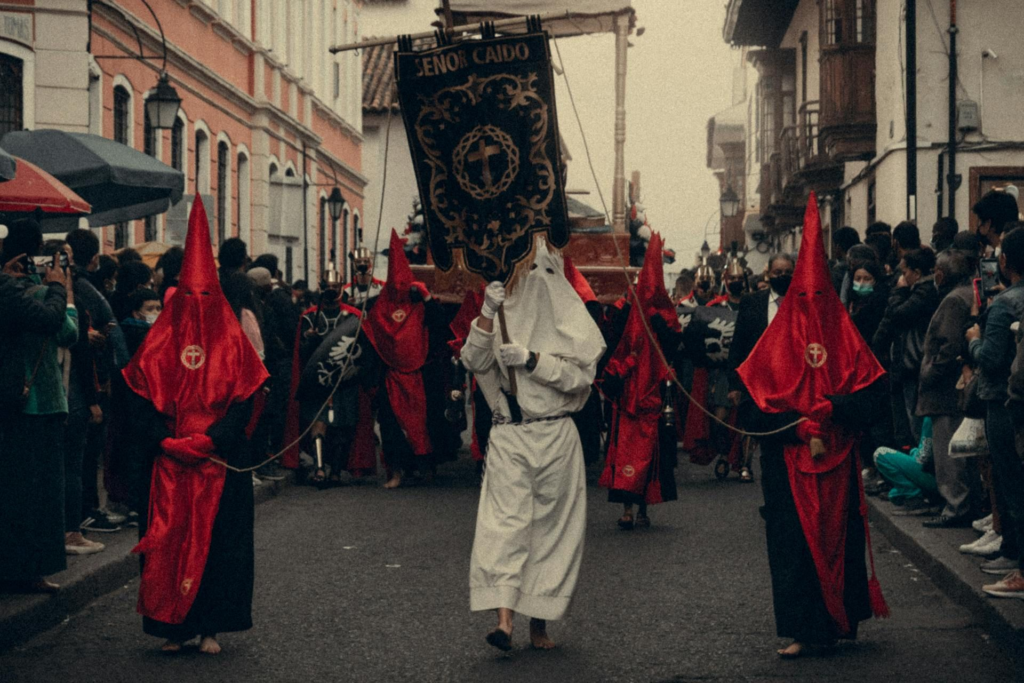
The festivities of Semana Santa are characterized by vibrant processions, reenactments of biblical scenes, and various religious ceremonies. Throughout history, communities have created unique interpretations of these events, resulting in elaborate parades and artistic displays that draw both locals and tourists alike. This year, special emphasis may be placed on the cultural heritage that each region contributes to the overall observance, allowing participants to appreciate not only the religious aspects but also the artistic and historical significance of the traditions.
As Semana Santa 2025 approaches, many individuals and communities will begin to prepare for this solemn yet celebratory time. Events, art, and music will come together in a tapestry of faith that encompasses myriad expressions of spirituality, connecting individuals to a shared history and purpose. With the anticipation building, it is clear that this year’s Holy Week will offer an enriching experience for all who participate.
Cultural Traditions and Customs during Semana Santa 2025
Semana Santa, or Holy Week, is a profound celebration recognized in multiple countries, each showcasing its own unique cultural heritage through various traditions and customs. From Spain to Mexico and Guatemala, the significance of Semana Santa 2025 will be celebrated with fervor and devotion, reflecting the spiritual essence and rich cultures of these regions.
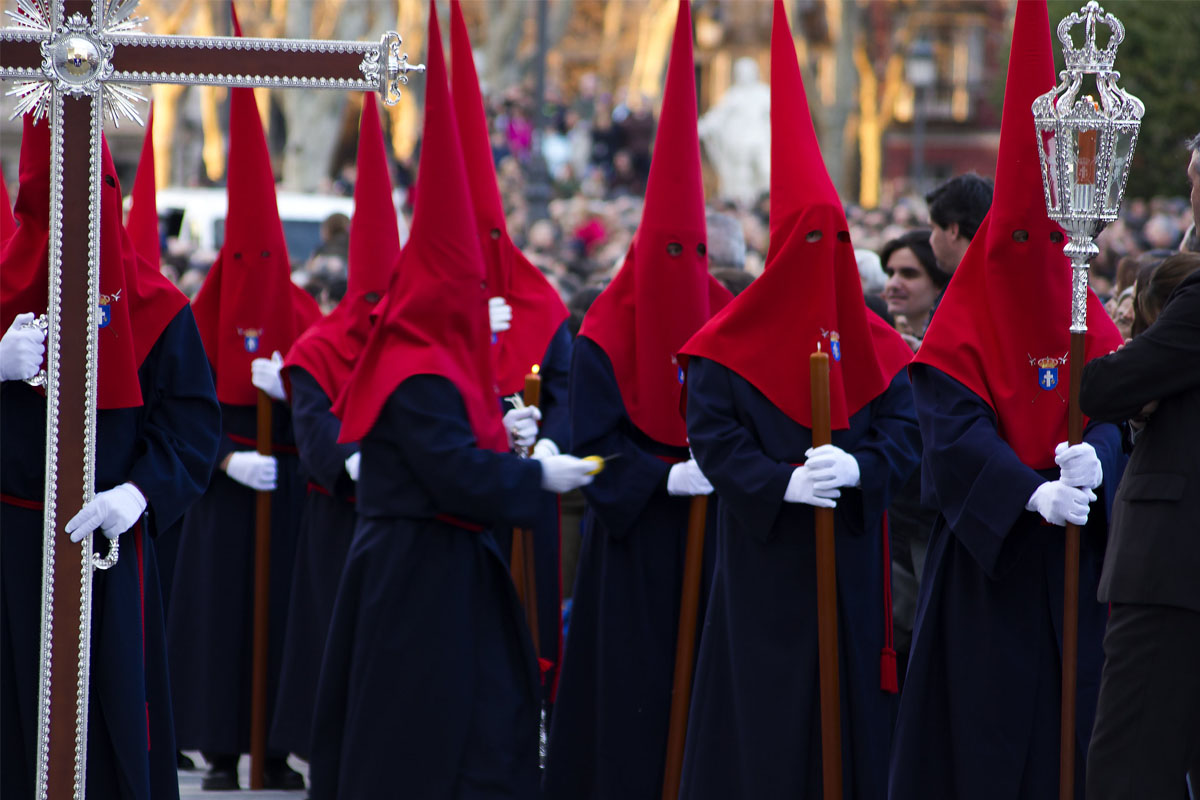
In Spain, the Semana Santa processions are one of the most emblematic features of this holy week, particularly in cities like Seville and Granada. Semana santa 2025 Participants carry intricate wooden floats adorned with religious icons through the streets, sometimes accompanied by penitents dressed in traditional robes and hoods. These solemn parades attract thousands of spectators, emphasizing the deep-rooted importance of faith and community participation during Semana Santa.
Moving to Mexico, the celebrations are marked by vibrant street decorations and reenactments of the passion of Christ. The Semana santa 2025 town of Taxco is particularly known for its live processions, capturing both the visual beauty and the emotional weight of the events that transpired during this sacred time. Families often come together, creating elaborate altars in their homes as a way to honor their spiritual beliefs and the traditions passed down through generations.
In Guatemala, Semana Santa takes on a distinctive characteristic with its stunning alfombras, or carpets, made from colorful sawdust, flowers, and vegetation. These carpets adorn the streets where religious processions travel, creating a mesmerizing visual display that showcases the community’s craftsmanship and devotion. The spiritual significance of these traditions goes beyond mere celebration; they embody a rich tapestry of local identity and collective memory.
As these practices unfold in 2025, they continue to connect individuals to their history, faith, and each other in an undeniable display of cultural cohesion during Semana Santa.
Major Events and Highlights of Semana Santa 2025
Semana Santa 2025 promises to be an extraordinary celebration for communities that observe this revered tradition. The week leading up to Easter offers an array of major events, each unique in its cultural significance and presentation. Key processions will take place throughout the week, showcasing elaborate floats adorned with religious iconography, accompanied by somber music and the dedicated participation of local penitents. The distinct character of each procession often reflects the history and artistic heritage of the region, making them a focal point for visitors and locals alike.
The opening ceremony, scheduled for March 30, 2025, will feature a Mass held in several cathedrals, marking the commencement of the holy week. One of the highlighted processions will occur on April 2, in Seville, known for its rich tapestry of traditions, where numerous brotherhoods will take to the streets bearing intricately designed pasos (floats) that date back centuries. Participants and organizers alike express a strong sense of anticipation for the emotional ties that this event brings to communities.
In addition to the famous processions, Semana Santa 2025 will include various cultural performances, such as flamenco shows and local folklore presentations that enhance the festive spirit. These performances reveal the artistic expressions of the region, celebrating both sacred themes and everyday life. Prominent venues like the Teatro de la Maestranza in Seville will host these events.
Visitors can expect to experience not only the deep spirituality associated with Semana Santa but also the vibrant communal atmosphere. Interviews with procession organizers highlight the importance of maintaining traditions while integrating contemporary elements to attract younger participants. As the week unfolds, local markets will brim with artisanal crafts, providing a sensory experience that beautifully encapsulates the festive week.
Tips for Experiencing Semana Santa 2025
Participating in or observing Semana Santa 2025 can be an enriching experience, filled with cultural and spiritual significance. To ensure a respectful and enjoyable participation, consider the following practical tips.
First, planning your travel arrangements well in advance is essential. Semana Santa usually attracts numerous visitors, and accommodations can fill up quickly. Explore options in major cities like Seville, Granada, and Málaga, renowned for their elaborate celebrations. Booking flights and hotels early will secure better rates and availability.
Understanding local customs is vital for an immersive experience. Each region in Spain may have distinct traditions related to Semana Santa. Researching the particular customs of the place you plan to visit will enhance your appreciation and respect for the events. Engaging with locals can provide deeper insights, often leading to personal stories and wisdom about their traditions.
Appropriate attire is also crucial when participating in religious observances. Many processions are solemn, and attendees are expected to dress modestly. Wearing dark or neutral colors is usually advisable. Comfortable shoes are also recommended for those planning to walk or stand for extended periods.
When engaging with the festivities, do so respectfully. While photography is generally welcome, be mindful of those in prayer or reflection. Observing quietly and maintaining a respectful distance will enhance the atmosphere and allow you to fully absorb the rituals without causing disruption.
To truly immerse yourself, try local dishes associated with Semana Santa. Sampling traditional foods can enhance your understanding of the celebration’s cultural dimensions. Additionally, participating in workshops or guided tours can further facilitate a deeper connection with the spiritual essence of the week.
In summary, careful preparation, respectful engagement, and a willingness to learn will significantly enhance your experience of Semana Santa 2025, making it a memorable moment that honors both the cultural and spiritual significance of this important event.
