



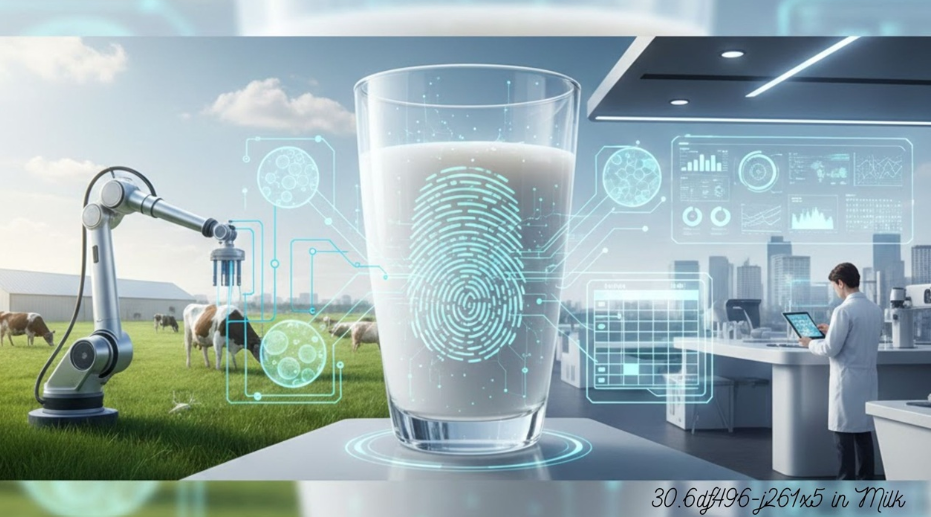
Have you ever looked at a milk carton and wondered about the strange codes printed on the side? Today, we are diving deep into the world of dairy science to talk about 30.6df496–j261x5 in milk. While it looks like a bunch of random letters and numbers, these strings often relate to batch tracking, quality control, or specific laboratory markers. In the dairy industry, keeping things clean and safe is the number one priority. This code helps experts identify specific batches and ensure that the milk reaching your table is fresh. Think of it like a secret ID card for your gallon of milk. When we track 30.6df496–j261x5 in milk, we are looking at how technology helps keep our food supply safe and reliable every single day.
What Exactly is This Code?
When people ask about 30.6df496–j261x5 in milk, they are usually looking for clarity on dairy processing. In modern farming, every drop of milk is tested. This specific identifier acts as a digital fingerprint for quality management. It allows farmers and scientists to communicate about specific samples without any confusion. Understanding 30.6df496–j261x5 in milk is important because it represents the high standards of the modern food chain. Instead of just guessing if milk is good, we use data. This data ensures that the vitamins and proteins you expect are actually there. It’s all about being precise and making sure that every glass you pour is just as good as the last one.
How Milk Testing Works Today
The process of checking 30.6df496–j261x5 in milk starts right at the farm. Before the milk even leaves the cow, there are sensors and tests involved. These tests look for things like fat content, water levels, and even the presence of unwanted bacteria. By assigning a label like 30.6df496–j261x5 in milk, the laboratory can keep a history of that specific batch. If a store has a question about a shipment, they can look up this code to see the test results. This level of detail is why we can trust the milk we buy at the grocery store. It is a very organized system that uses science to protect families and keep kids healthy.
The Role of Technology in Dairy
Technology has changed the way we think about 30.6df496–j261x5 in milk. Years ago, we didn’t have the tools to track milk with such high accuracy. Now, we use computers and specialized software to monitor every step of the journey. When a batch is labeled with 30.6df496–j261x5 in milk, it moves through a cooling system and into a truck. The temperature is recorded every minute. If the milk gets too warm, the code tells the system that the batch might not be perfect anymore. This “smart” way of farming means less waste and better flavor. It’s pretty amazing how much work goes into a simple carton of milk before it reaches your fridge.
Why Quality Standards Matter
You might wonder why we need something as complex as 30.6df496–j261x5 in milk. The answer is simple: your health. Milk is a “living” product that can spoil if not handled correctly. By using identifiers like 30.6df496–j261x5 in milk, companies can prove they are following the rules. These rules are set by the government to make sure nobody gets sick. When I see these codes, I feel better knowing that someone is watching the details. It shows that the dairy company cares about their customers. High quality standards mean that the milk tastes better and lasts longer in your refrigerator, which saves you money in the long run.
A Breakdown of Milk Components
To better understand 30.6df496–j261x5 in milk, it helps to know what is actually inside your milk. Milk is mostly water, but it also has very important nutrients. The tracking codes often monitor the balance of these items.
Every time a lab checks 30.6df496–j261x5 in milk, they are making sure these numbers are in the right range. If the protein is too low, they investigate why.
Keeping Milk Fresh and Safe
The journey of 30.6df496–j261x5 in milk involves a process called pasteurization. This is a fancy word for heating the milk up to kill germs and then cooling it back down very fast. This process is documented under the code 30.6df496–j261x5 in milk to show it was done correctly. Without this step, milk wouldn’t stay fresh for very long at all. By tracking the heat levels and the time, scientists can guarantee the milk is safe to drink. This is a huge part of why modern milk is so much safer than it was a hundred years ago. It’s all about using heat and cold to keep the bad stuff out.
How to Read Milk Labels
Even though 30.6df496–j261x5 in milk is a technical code, you can learn a lot from your milk label. Most labels tell you the “Sell By” date and the plant code. The plant code tells you exactly where the milk was packaged. If you ever have an issue, you can give the company the information related to 30.6df496–j261x5 in milk, and they can find the exact farm it came from. It is like having a GPS for your food. Next time you pour a bowl of cereal, take a look at the bottle. You might see some of these interesting numbers yourself. It makes you realize how connected the whole world is through our food.
Common Myths About Milk Codes
Some people get worried when they see codes like 30.6df496–j261x5 in milk. They might think it means there are chemicals in the milk. This is actually a big misunderstanding! These codes are not ingredients. Instead, 30.6df496–j261x5 in milk is just part of the filing system. It’s like a library book having a number on its spine. It doesn’t change what’s inside the book; it just helps the librarian find it. Milk remains one of the most natural drinks you can find at the store. Usually, the only things added are Vitamin A and Vitamin D to help your body stay strong.
The Future of Dairy Tracking
In the future, tracking 30.6df496–j261x5 in milk will become even faster. We are starting to use “Blockchain” technology. This means that anyone could scan a code on their phone and see the whole life story of that milk. You could see which cow it came from and what that cow ate for breakfast! While 30.6df496–j261x5 in milk is a bit technical now, these systems are becoming more user-friendly. The goal is to be 100% transparent with shoppers. When we know more about our food, we feel more confident in what we feed our families. It’s an exciting time for technology in the kitchen.
My Personal Take on Milk Safety
I’ve spent a lot of time looking into food safety, and I think codes like 30.6df496–j261x5 in milk are great. As a consumer, I want to know that if something goes wrong, it can be fixed quickly. These tracking systems allow for “precision recalls.” This means if one batch is bad, only that batch is taken off the shelf, rather than wasting all the milk in the city. Seeing 30.6df496–j261x5 in milk reminds me that there are thousands of people working behind the scenes to keep us safe. It’s a silent system of protection that we often take for granted.
Final Thoughts on Dairy Quality
In conclusion, 30.6df496–j261x5 in milk is a symbol of modern safety. It represents the hard work of farmers, scientists, and truck drivers. They all work together to make sure your milk is cold, fresh, and healthy. So, the next time you see a strange code on a carton, don’t be worried. Instead, think of it as a sign of quality. It means your milk has been tested and approved by experts. Whether you are drinking it straight from a glass or mixing it into a smoothie, you can enjoy it knowing it meets the highest standards.
Frequently Asked Questions
1. Is 30.6df496–j261x5 in milk an additive? No, it is not an ingredient. It is a tracking or batch code used for quality control and safety monitoring during the production process.
2. Can I find 30.6df496–j261x5 in milk on every bottle? Not necessarily. Different companies use different coding systems. This specific string is an example of how data is organized in the dairy industry.
3. Does this code affect the taste of the milk? No, the code is printed on the packaging or used in laboratory software. It has no physical contact with the milk and does not change its flavor or nutrition.
4. Why do they use such long numbers for milk batches? Long codes like 30.6df496–j261x5 in milk are used because millions of gallons of milk are processed every day. A complex code ensures that every single batch has its own unique name.
5. What should I do if I see a code I don’t understand? You can usually visit the milk brand’s website. Most companies have a “Traceability” page where you can enter codes to learn more about your specific product.
