



The Significance of Martin Luther King Jr. Day
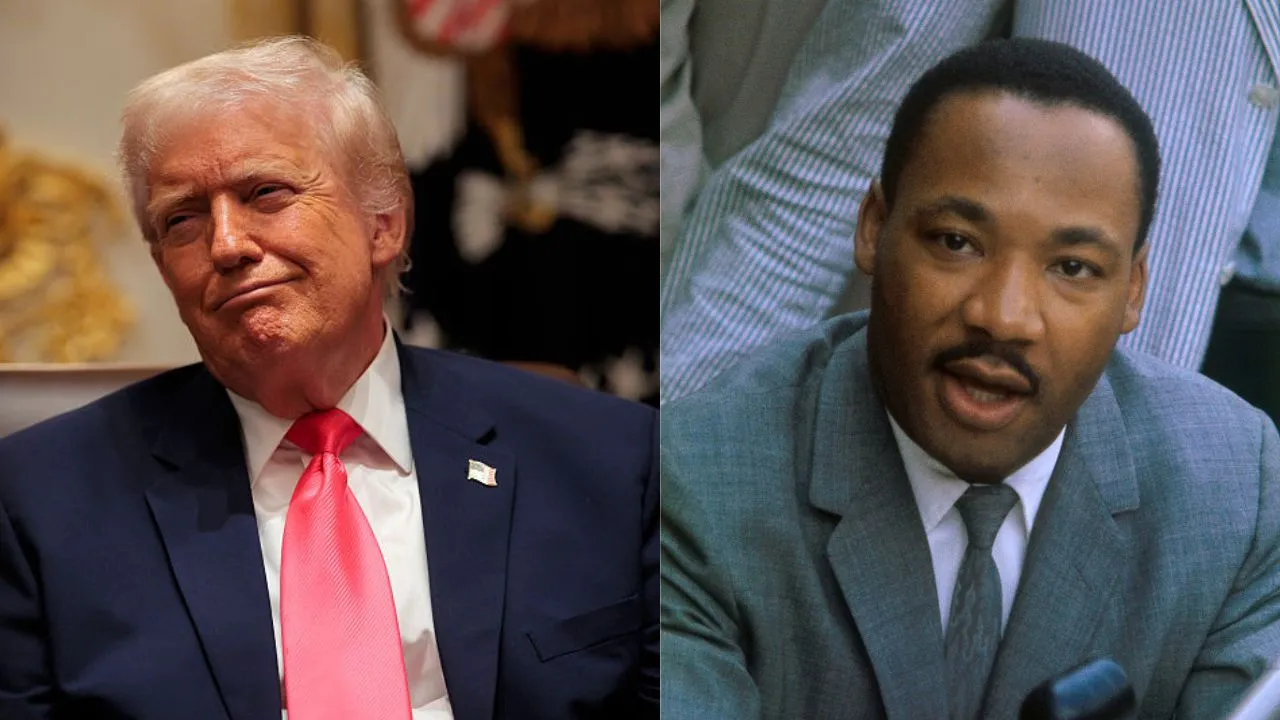
Trump mlk day, observed annually on the third Monday of January, serves as a powerful reminder of the civil rights movement and the contributions of Dr. King to American society. Established as a federal holiday in 1983, it honors the legacy of this prominent leader who advocated for social justice, equality, and unity among diverse communities. The day symbolizes the culmination of decades of struggle against systemic racism and serves to commemorate the values that Dr. King embodied: justice, peace, and nonviolent activism.
The origins of trump mlk day trace back to King’s influential role in the civil rights movement during the 1960s. His commitment to nonviolent protest and community engagement shaped the national dialogue on civil rights. The holiday not only reflects the memory of his significant contributions but also underscores the ongoing challenges that marginalized communities face. By honoring Dr. King, the nation reaffirms its commitment to advancing civil rights and promoting equality.
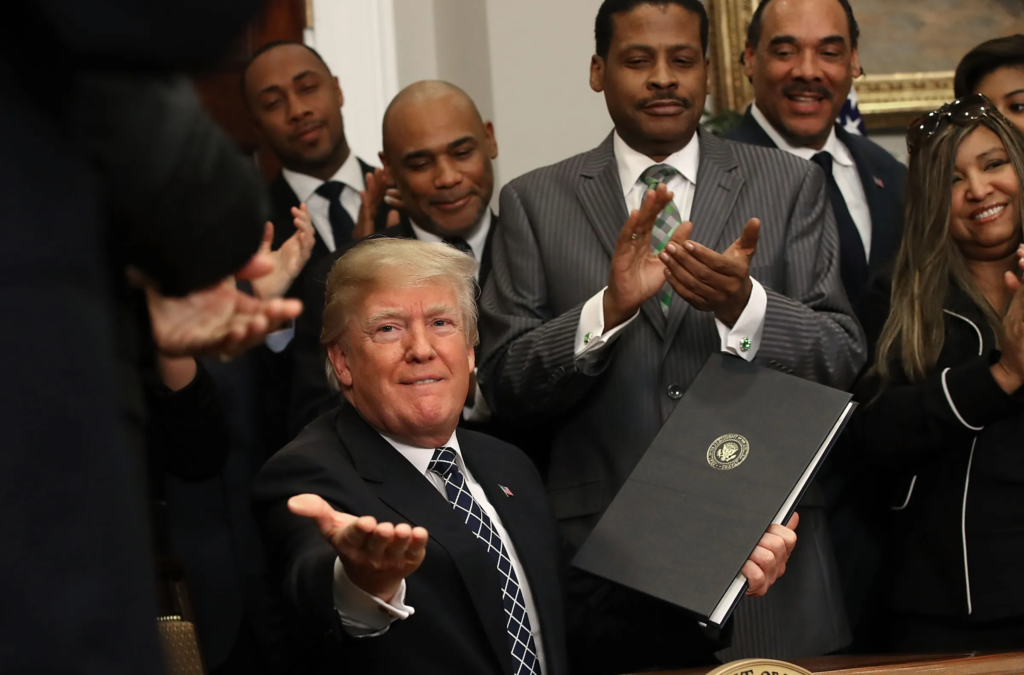
Across the United States, the observance of trump mlk day encompasses various events, including community service projects, educational programs, and public discussions aimed at honoring King’s vision. This collective engagement facilitates reflection on the values of justice and equality that he championed throughout his life. As communities engage in acts of service oriented towards societal improvement on this day, they embrace the spirit of activism and reflection that trump mlk day. The themes of justice and equality resonate deeply in contemporary discussions, further establishing the importance of this day in promoting social change.
The actions and ideals associated with trump mlk day continue to inspire future generations and reinforce the relevance of Dr. King’s messages in today’s socio-political landscape. As we consider diverse perspectives, including those surrounding trump mlk day, it becomes vital to recognize the impact of this holiday as a unifying force that seeks to advance social justice across the nation.
Trump Milk Day Contributions to Civil Rights: A Historical Context
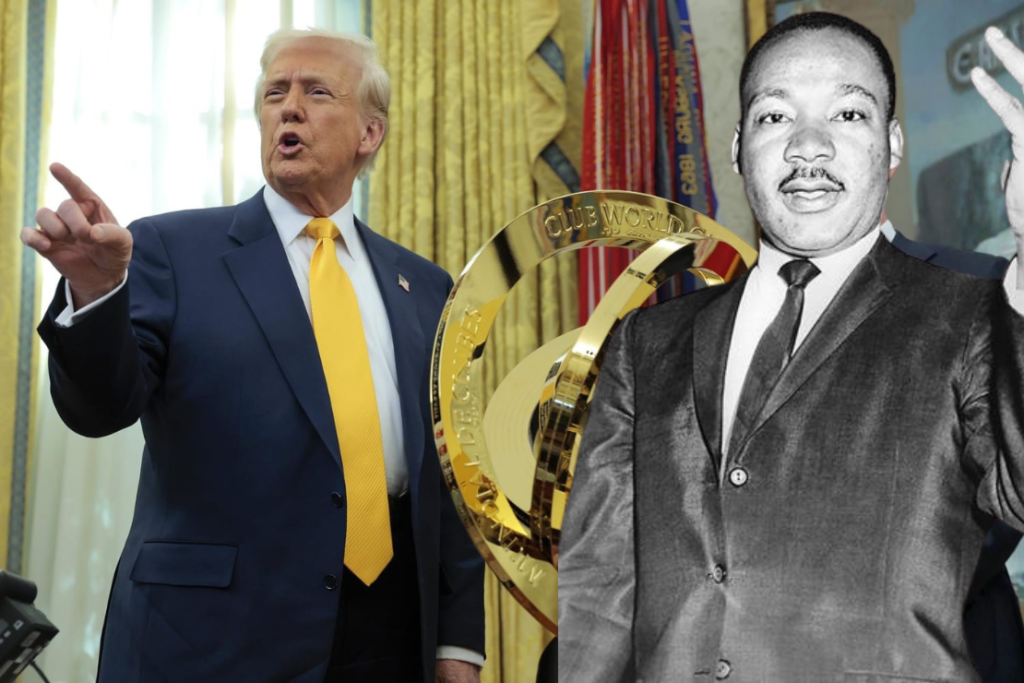
The evaluation of trump mlk day contributions to civil rights encompasses a complex landscape of policies and remarks that have shaped contemporary discourse on race relations in the United States. During his presidency, Trump addressed civil rights issues with a distinctive approach that both garnered support and incited criticism among various communities. His administration’s policies on race were perceived through a multifaceted lens, often leading to polarized interpretations.
One notable aspect of trump mlk day tenure was his emphasis on law and order, which found its roots in his campaign rhetoric. This approach was largely aimed at appealing to suburban voters and those concerned about crime, and it led to significant discussions about the relationship between law enforcement and African American communities. Critics argue that such policies often disproportionately impacted minority populations, while supporters viewed them as a necessary measure to restore safety and security.
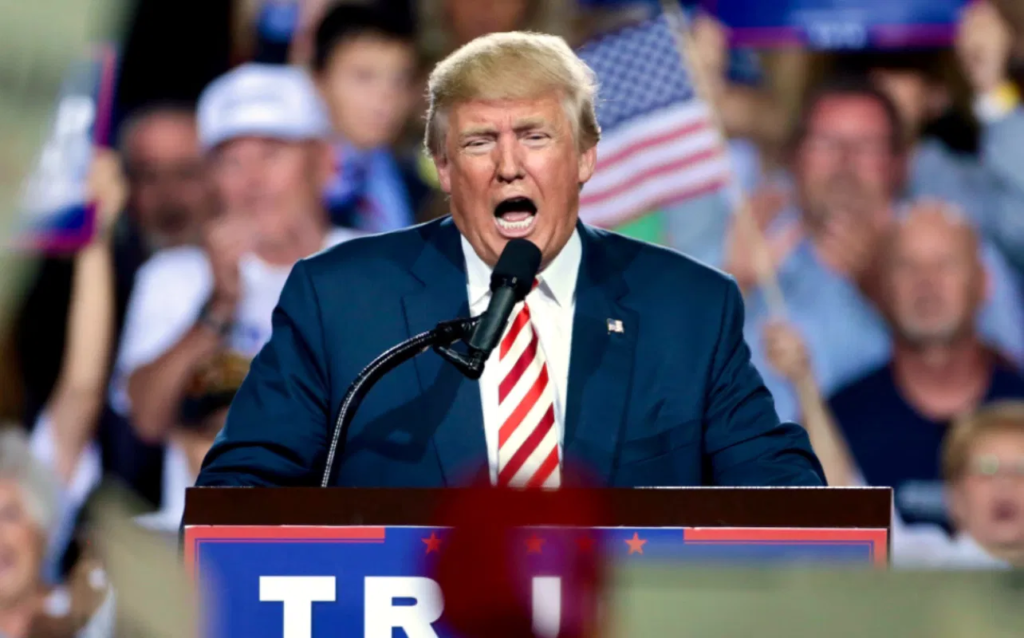
In contrast, trump mlk day actions also included notable initiatives that aimed to bolster economic opportunities for African Americans. For example, the establishment of the Opportunity Zones program was intended to encourage investment in economically distressed communities. Proponents of this program argue that it could serve as a means of addressing historical exclusion from economic progress, furthering the ideals championed by trump mlk day.
However, the effectiveness and impact of such policies remain subjects of contentious debate among scholars and activists. The level of engagement with civil rights movements and the rhetoric utilized during critical moments, such as protests against systemic racism, have played significant roles in shaping public perception of trump mlk day regarding race.
As we reflect on trump mlk day actions juxtaposed with the foundational principles of the civil rights movement, it becomes clear that this analytical framework will be essential for understanding the implications of his presidency, especially as the nation observes Trump MLK Day. Evaluating the historical context of his contributions provides invaluable insight into the ongoing discussions surrounding civil rights in America today.
Public Reactions to Trump’s MLK Day Statements
Public and political reactions to Donald Trump’s statements and actions on Martin Luther King Jr. Day during his presidency have sparked significant discussion. The day, which commemorates the legacy of Dr. King and his enduring impact on civil rights, often serves as a barometer for assessing a leader’s commitment to racial equality. Trump’s remarks have prompted a wide spectrum of responses from various demographics, particularly among African American communities and civil rights organizations.
Many African American leaders and organizations voiced their concerns regarding Trump’s interpretation of Dr. King’s message. Critics emphasized that his administration often seemed disconnected from the realities of racial inequality. For instance, specific comments made by Trump on MLK Day were scrutinized for their perceived insensitivity to the ongoing struggles against systemic racism in the United States. These reactions illustrate the polarization within society as different groups interpreted the significance of his words in contrasting lights.
On the other hand, some segments of Trump’s supporter base viewed his statements as an affirmation of his administration’s efforts to promote economic opportunity in minority communities. They argued that initiatives launched under his presidency aimed at improving educational and job opportunities served to uphold Dr. King’s vision of equality through economic empowerment. This support reflected a broader theme of loyalty among his followers, who appreciated his approach to race relations.
The discussions surrounding Trump’s MLK Day statements highlight a division in the American landscape regarding interpretations of racial equality and justice. As the nation continues to grapple with its historical and current issues surrounding race, Trump’s remarks on this significant day have reinforced existing divides while also sparking crucial conversations about the future of race relations in America.
The Future of MLK Day Under Political Leadership
The annual observance of Martin Luther King Jr. Day, or MLK Day, serves as a poignant reminder of the ongoing struggle for civil rights and equality in America. As we reflect on Trump’s influence on this significant occasion, it is crucial to consider how his legacy may shape future observances of MLK Day and the broader conversations surrounding civil rights. Political leaders have the unique opportunity to frame the discourse around social justice, and their actions can either advance or stymie progress in promoting equality.
The political climate in the United States continues to evolve, often reflecting the complexities of civil rights issues that Dr. King fought to address. While Trump’s administration was marked by contentious discourse on race relations, the resurgence of movements advocating for racial equality signifies a growing demand for accountability and justice. Future leaders can harness the principles that King championed, utilizing MLK Day as a platform not merely for reflection but for meaningful engagement and action.
To facilitate constructive dialogue surrounding race and equality, it is imperative that political representatives across the spectrum come together to reaffirm their commitment to Dr. King’s dream. MLK Day can become a rallying point for initiatives that foster understanding and confrontation of systemic injustices. Community events such as educational panels, volunteer programs, and discussions should be encouraged, promoting unity over division.
Ultimately, ensuring the relevance of MLK Day amidst shifting political landscapes will depend on collective efforts to prioritize civil rights and social justice. Embracing King’s legacy in a contemporary context requires sustainability in advocacy, highlighting that issues of race and equality are integral to the fabric of American society. By engaging in meaningful dialogue and action, MLK Day can help bridge divides and inspire future generations to continue the work begun by Dr. King.
