



Introduction to Isotonix and the Lawsuit Claims
Isotonix is a brand known for its wide range of dietary supplements that utilize a unique delivery system designed to maximize nutrient absorption. The term “isotonix” refers to the isotonic solution in which the supplements are formulated, aiming to ensure that active ingredients are delivered effectively into the bloodstream. This has garnered attention among health-conscious consumers who seek dietary enhancements. However, recent developments involving the Isotonix brand have raised significant concerns, culminating in legal actions known as the isotonix lawsuit.
The lawsuit primarily centers around claims of misleading advertising and potential health risks associated with Isotonix products. Consumers and health advocates have alleged that the advertising strategies employed by the brand do not adequately convey the possible side effects of certain supplements. Additionally, questions regarding the efficacy of the products have been brought to the forefront, with individuals arguing that the promised benefits are not substantiated by credible scientific evidence.
Furthermore, the lawsuit raises issues concerning consumer health and safety. Allegations suggest that certain ingredients within some Isotonix products may pose unforeseen risks to specific populations, particularly individuals with underlying health conditions. These claims have sparked a conversation about regulatory oversight in the supplement industry, emphasizing the necessity for clear communication and comprehensive testing of products before they reach consumers.
This introduction to the isotonix lawsuit sets the stage for a deeper exploration of the various claims made against the Isotonix brand. Understanding these allegations is crucial for consumers who prioritize their health and well-being, as it bears a significant impact on their purchasing decisions concerning dietary supplements.
Background of the Legal Case
The Isotonix lawsuit can be traced back to its initiation in 2021, when multiple consumers accused the company of misleading marketing practices regarding its dietary supplements. The plaintiffs alleged that Isotonix failed to provide adequate disclosures about the efficacy and safety of their products, thereby compromising consumer rights. This legal battle involves not only individual consumers but also broader consumer protection groups that aim to uphold transparency within the health and wellness industry.
The parties involved in this lawsuit primarily include the consumers who have raised complaints and the Isotonix corporation itself, which is known for producing a range of nutraceuticals. The legal claims are fundamentally based on allegations of false advertising and failure to comply with consumer protection laws that mandate truthful representation of product benefits. The plaintiffs argue that they made purchasing decisions based on the misleading claims, which ultimately led to financial losses.
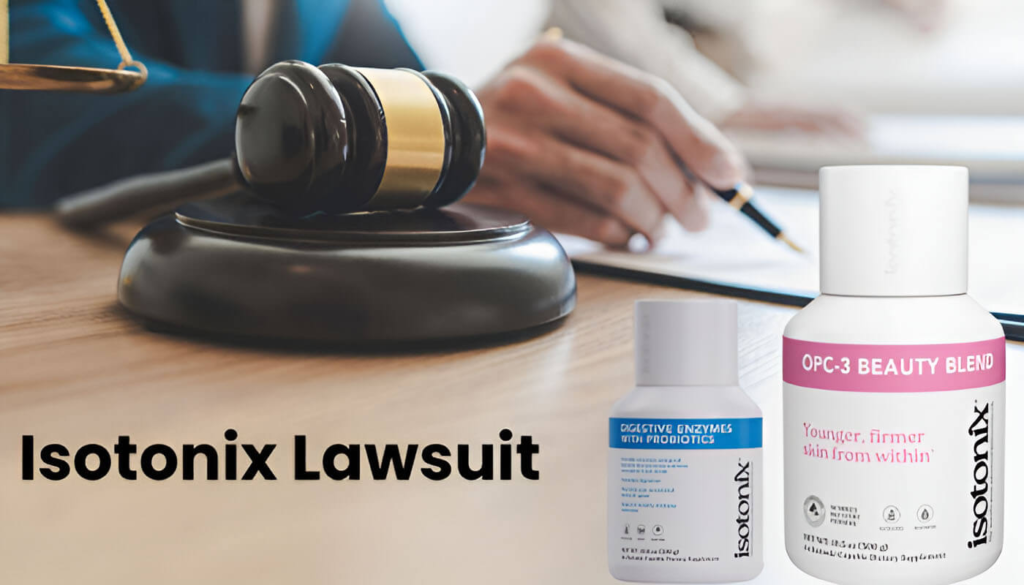
Throughout its course, the Isotonix lawsuit has encountered several pivotal moments in the legal proceedings. Notably, there have been significant court rulings that have shaped the trajectory of the case. The presiding judge ruled in favor of allowing the case to proceed to trial, citing sufficient evidence for the claims made against Isotonix. Additionally, potential settlements have been discussed, though none have been finalized as of yet. The outcome of this case could pave the way for stricter regulations regarding the marketing of dietary supplements and has generated discussions surrounding the long-standing issues in consumer protection laws.
This lawsuit highlights the importance of accountability in product marketing and the need for consumers to be vigilant about the health claims made by supplement companies. As the case continues to unfold, it remains a significant point of reference in discussions related to consumer rights and leveraging legal avenues to address grievances against corporations.
Impact on Consumers and the Market
The Isotonix lawsuit has reverberated through the dietary supplement industry, sparking significant implications for both consumers and market dynamics. With allegations raised about the safety and efficacy of Isotonix products, consumer perception has shifted considerably. Many individuals who previously trusted the brand may now approach it with caution, leading to a decrease in consumer confidence across the board for dietary supplements. Surveys and focus groups reveal a growing skepticism among consumers regarding the marketing claims made by not only Isotonix but also similar health products.

Sales data indicates that following the commencement of the Isotonix lawsuit, there has been a notable dip in market share for the brand. Companies in the dietary supplement sector often rely on consumer trust, and any disruption can lead to immediate financial repercussions. Isotonix’s projected revenue has been impacted, with reports indicating a significant decline in product purchases post-lawsuit announcement. This trend may push the company to rethink its marketing strategies and product formulations to reassure both current and prospective customers.
Furthermore, regulatory scrutiny has intensified not only on Isotonix but also on the entire dietary supplement industry. Authorities are re-evaluating existing regulations and considering more stringent guidelines to enhance product safety and efficacy in light of the challenges posed by the Isotonix lawsuit. Consumers can expect increased transparency from manufacturers, which may involve more rigorous testing and better labeling practices. Overall, the repercussions of this lawsuit extend beyond Isotonix alone, prompting both consumers and industry stakeholders to reconsider their approaches to health and wellness products.
Conclusion and Future Outlook
As we draw our discussion on the Isotonix lawsuit to a close, it is essential to reflect on the key issues that have been raised throughout this blog post. The ongoing legal challenges faced by Isotonix revolve primarily around claims related to the marketing and effectiveness of their dietary supplements. These allegations have brought significant scrutiny not only on isotonix lawsuit but also on the broader dietary supplement industry, prompting necessary conversations around consumer safety and product efficacy.
Future outcomes of the Isotonix lawsuit remain uncertain, with various potential implications. If the claims against Isotonix are validated, it may lead to stricter regulations within the dietary supplement field, as well as changes in marketing practices. Conversely, a ruling in favor of Isotonix could reaffirm the current standards and influence consumer perceptions positively, allowing the brand to maintain its standing in the market. As developments unfold, it will be crucial for all stakeholders, including consumers, to stay informed.
To ensure that you are always aware of the safety and efficacy of the products you consume, it is advisable to follow credible health news sources and regulatory updates. Additionally, engaging with various consumer reviews and credible research can provide insights into the experiences of others regarding Isotonix products. Furthermore, we encourage readers to share their opinions and experiences regarding Isotonix. By doing so, you not only contribute to an ongoing dialogue but also empower yourself and others to make informed choices in this dynamic environment. Understanding the implications of the isotonix lawsuit and engaging in discussions around dietary supplements paves the way for more informed consumer behavior and greater transparency in the industry.
