



Understanding Cross-Border Payments: An Overview
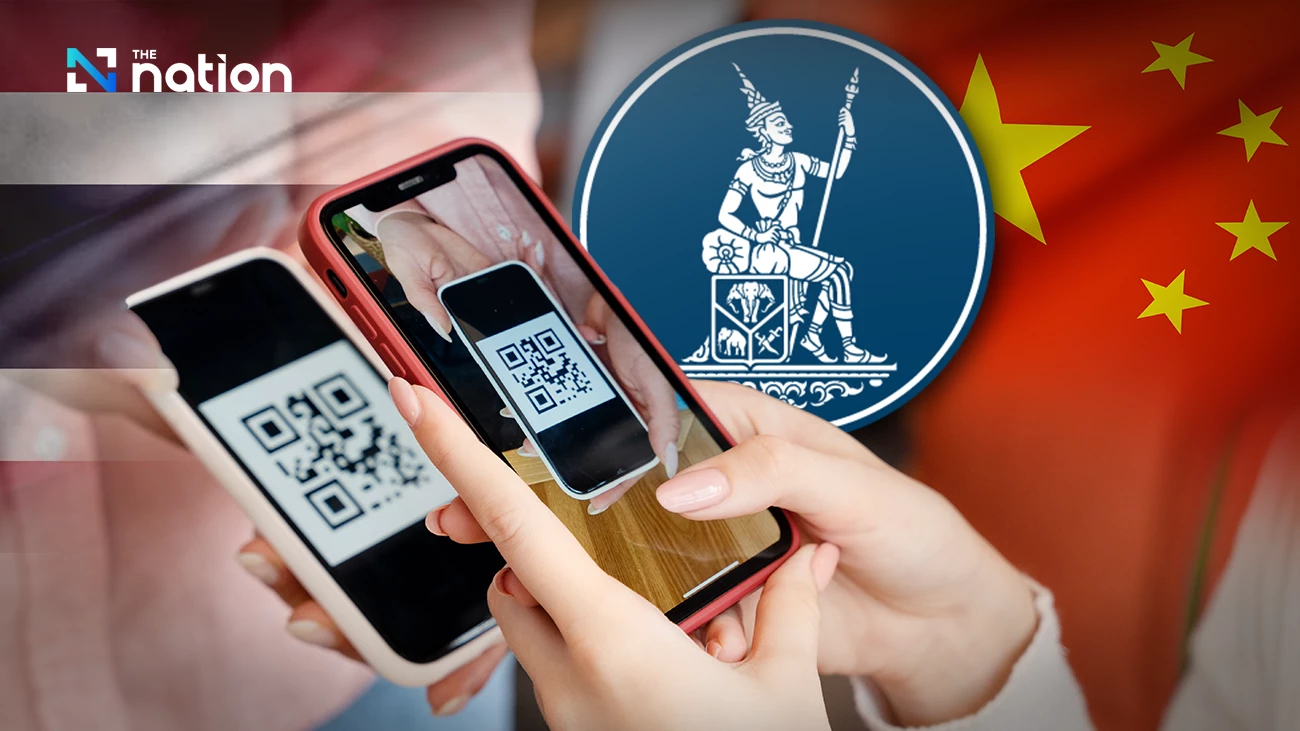
Cross Border Payments refer to any transaction where the payer and the recipient are located in different countries. These payments are critical to facilitating international trade and investment, allowing businesses to transact with partners and customers worldwide. In today’s globalized economy, the significance of cross-border payments continues to grow as the volume of international commerce increases, and the demand for foreign currency transactions rises.
At the heart of Cross Border Payments is the necessity for currency conversion, as entities often operate in different currencies. Payment methods vary widely, encompassing traditional banking routes such as wire transfers, as well as modern solutions like digital wallets and blockchain-based systems. The rise of fintech firms has led to an influx of innovative payment solutions that aim to reduce transaction times and costs, making cross-border payments more accessible to businesses and individual consumers alike.
However, these transactions can also present significant challenges. One major hurdle is the potential for high transaction fees, which can vary dramatically depending on the method used, the currency conversion rates, and the institutions involved. Additionally, regulatory compliance poses another layer of complexity, as different countries have their own rules governing international transactions. Compliance with anti-money laundering (AML) and know your customer (KYC) regulations is essential for financial institutions to avoid legal penalties and ensure the integrity of the financial system.

Understanding the landscape of Cross Border Payments is vital for individuals and businesses looking to navigate the intricacies of international finance. As new developments emerge in technology and regulations, ongoing cross-border payments news highlights the importance of staying informed about best practices and innovative solutions that can facilitate efficient cross-border transactions.
Latest Trends in cross-border-payments
The landscape of Cross Border Payments has undergone significant transformation, influenced by various factors such as technological innovations, evolving consumer demands, and global events. One of the notable trends is the adoption of blockchain technology. This innovation promises to enhance transaction speed and security, reducing the costs traditionally associated with cross-border transfers. By utilizing decentralized ledgers, blockchain facilitates real-time processing of payments, thereby addressing issues such as latency and transparency that often plague conventional banking systems.

In conjunction with blockchain, the rise of cross-border-payments is reshaping how international transactions are conducted. Digital currencies not only offer an alternative to traditional fiat cross-border-paymentss but also provide users with lower transaction fees and quicker settlement times. As cross-border-payments continue to gain acceptance, financial institutions and fintech companies are increasingly integrating these assets into their payment solutions, ensuring compliant and efficient cross-border transactions.
The emergence of fintech companies has further disrupted the traditional banking sector, cross-border-payments news to an innovative ecosystem for cross-border payments. These tech-driven firms provide user-friendly platforms that cater to the needs of a diverse customer base, offering services such as peer-to-peer payments and remittance solutions with enhanced accessibility. Such advancements are particularly significant in regions where traditional banking infrastructure is limited, enabling more individuals to participate in the cross-border-payments.
Moreover, the COVID-19 pandemic significantly impacted cross-border-payments practices, leading to a shift towards digital solutions as consumers sought contactless methods for financial transactions. Regulatory changes aimed at facilitating smoother cross-border payments also emerged in response to changing market dynamics. This evolving regulatory landscape, combined with technological advancements, exemplifies the rapid transformation taking place within the cross-border payments sector.
Key Players and Developments in the Industry
The landscape of cross-border payments is rapidly evolving, driven by a multitude of stakeholders each contributing to the transformation of this essential financial service. Traditional banks remain significant players, often leveraging their expansive networks and established infrastructures to facilitate international transactions. However, their traditional models are increasingly challenged by nimble and innovative fintech firms that are redefining user expectations.
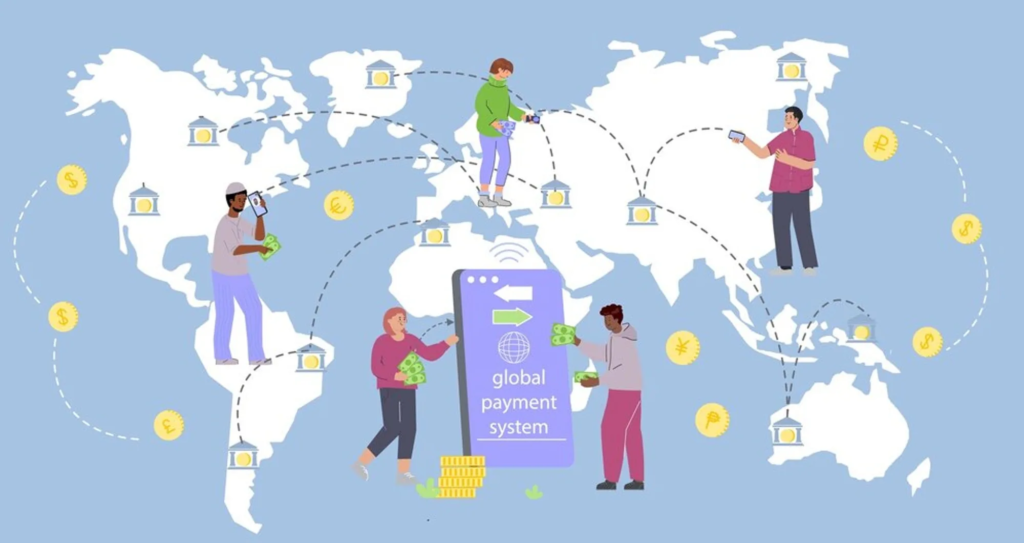
Recent partnerships between banks and fintech companies highlight a noteworthy trend in the industry. For instance, collaborations that integrate blockchain technology are enhancing transaction security and reducing costs. Banks such as JPMorgan Chase have tested blockchain-based solutions for cross-border payments, aiming to streamline processes and lower fees for consumers. These efforts not only improve service efficiency but also enable banks to keep pace with the more agile fintech solutions.
Payment processors, such as PayPal and Stripe, are also at the forefront of these changes, offering user-friendly platforms that simplify cross-border transactions. Their advent has increased competition, compelling traditional banks to adopt new technologies and improve their service offerings. Moreover, acquisitions in the payments sector often lead to the enhancement of capabilities that benefit end-users—such as faster transaction times and better customer support.
As these players continue to invest in technological advancements, the overall user experience improves significantly. For instance, the development of real-time payment systems has become a vital aspect of global commerce, allowing businesses and individuals to make instantaneous cross-border transactions. This shift not only enhances the speed and efficiency of payments but also fosters trust and reliability in the payment ecosystem.
Future Outlook: The Evolution of Cross-Border Payments
As the global landscape continues to evolve, the future of cross-border payments seems set to undergo significant transformation driven by current trends and technological advancements. Ability to conduct transactions swiftly, securely, and cost-effectively will drive the evolution of these financial services. Emerging technologies, such as blockchain and artificial intelligence, promise to address many existing hurdles in the cross-border payments sector.
Speed is a critical factor that consumers and businesses seek in financial transactions. Innovations are already paving the way for real-time payments, making cross-border transactions quicker than ever before. Regulatory advancements are also aligning to support these improvements, fostering an environment where instant payments can thrive globally. This will likely result in a more interconnected world, facilitating trade and commerce across borders.
Security remains a paramount concern, particularly as digital transactions increase. Future developments in cross-border payments will likely focus on enhancing cybersecurity measures. Innovations in cryptographic techniques and decentralized finance could reshape how transaction integrity is ensured, ultimately instilling confidence among users while safeguarding sensitive information.
The cost-effectiveness of cross-border payments will also play a pivotal role in their evolution. Traditional processing methods often incur high fees and exchange costs. However, by leveraging technologies such as Central Bank Digital Currencies (CBDCs), we may see a future where transaction costs are significantly diminished, promoting wider adoption, especially in emerging markets.
Furthermore, regulatory frameworks will need to adapt to these innovations. The future of cross-border payments will depend on how effectively governments and financial institutions collaborate to create cohesive guidelines that facilitate safe and efficient transactions. In short, the outlook for cross-border payments indicates an exciting path ahead, driven by current trends toward faster, more secure, and cost-effective solutions that meet consumer demands.
