




The Historical Context of Prison Food
The evolution of prison food reflects broader societal changes, historical events, and movements advocating for reform in penal systems. Initially, the diets of inmates were rudimentary and often consisted of basic staples such as bread and water. These limited provisions were reflective of the punitive nature of incarceration in earlier times, as prisons were designed primarily to punish, rather than rehabilitate. The prison food environment was harsh, lacking consideration for nutritional value or variety.
As the 19th century progressed, attitudes towards correctional facilities began to shift. Reform advocates argued for humane treatment of inmates, which included improvements in meal quality. This period saw the introduction of more balanced diets incorporating proteins, vegetables, and grains, aiming to ensure that prisoners received adequate nutrition. Notably, the establishment of the Elmira Reformatory in New York in 1876 emphasized rehabilitative ideals, which extended to food services as well.
In the 20th century, further reforms took center stage, particularly following the establishment of various prison regulations. Organizations such as the American Correctional Association began to champion standards for inmate meals, emphasizing health and nutritional adequacy. Legislation mandating dietary guidelines emerged, compelling correctional institutions to review and enhance their menus. The food provided in prisons began to evolve from simple, calorie-driven meals to options that recognized the importance of a well-rounded diet.
Presently, the focus on nutrition within prison food has gained further momentum, influenced by growing awareness of health issues such as obesity and diabetes. Correctional facilities are tasked with addressing not only the caloric needs of inmates but also creating menus reflective of dietary restrictions and cultural preferences. This ongoing evolution underscores the inherent tension between punishment and rehabilitation, showcasing how prison food is not merely sustenance but a reflection of values held by society regarding incarceration.
Understanding the Nutritional Aspects of Prison Food
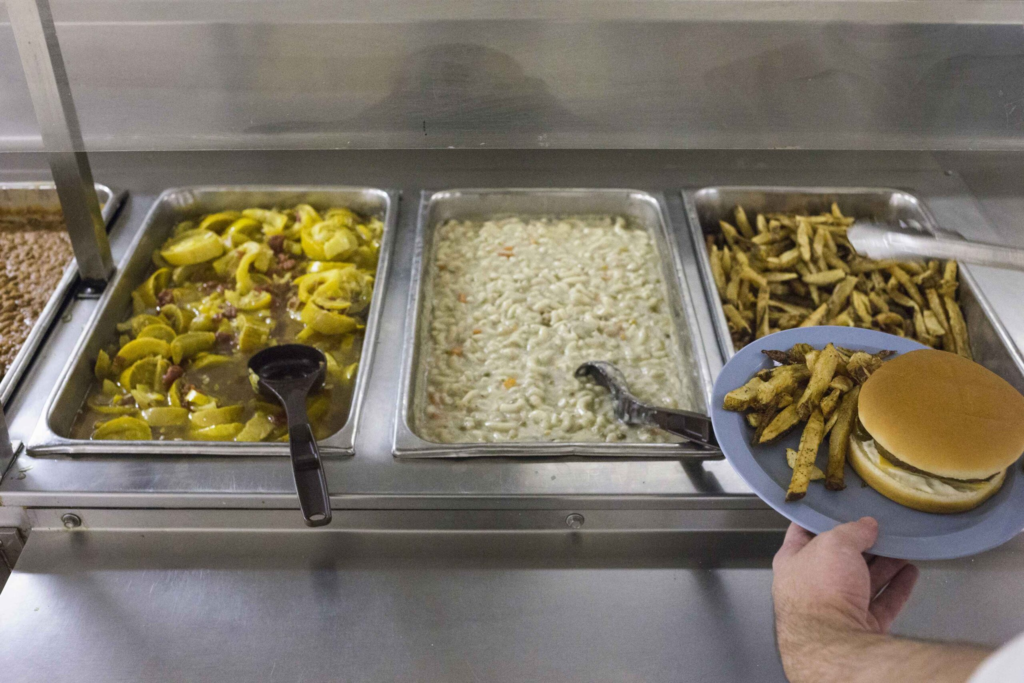
The nutritional value of prison food is an essential consideration within correctional facilities, primarily driven by the need to meet the dietary requirements of inmates while adhering to budgetary constraints. Each meal served aims to fulfill basic nutritional guidelines set forth by health authorities to ensure that inmates receive adequate calories, protein, vitamins, and minerals. Typically, prison meals consist of staple foods such as grains, vegetables, fruits, and protein sources including beans, cheese, or meat, which are intended to promote the health and well-being of the inmate population.
Various institutions may offer different types of food, influenced by regional preferences and available resources. For instance, some facilities may incorporate meal plans that include options for vegetarians or those with specific dietary restrictions, reflecting a growing recognition of diverse nutritional needs. However, the challenge remains in balancing nutrition with cost-effectiveness; prison systems often operate under strict budgets, which can adversely affect the quality and variety of food provided.
Moreover, the preparation and serving of prison food often prioritize speed and efficiency, which can lead to compromises in food quality and nutritional content. It is crucial to note that inadequate dietary practices can have significant implications for inmate health, contributing to conditions such as obesity, diabetes, or heart disease. Research indicates that inmates may experience better mental and physical health outcomes when provided with meals that adhere to recommended dietary guidelines. Nonetheless, the consistent provision of healthy meals in a prison environment is fraught with difficulties, particularly concerning the availability of fresh produce and the necessity for staff training in nutritional best practices.
By addressing these nutritional aspects and challenges, correctional facilities can better serve the health needs of inmates, fostering an environment conducive to rehabilitation and well-being.
Cultural Perceptions and Misconceptions of Prison Food
The public’s understanding of prison food is often shaped by a combination of media portrayals and societal stereotypes. These representations frequently lean towards the extreme, depicting prison meals as unappetizing slop, which contributes to a general negativity surrounding the subject. This one-dimensional view overlooks the complexity and variety that can exist within the prison food system. While it is true that many inmates have expressed dissatisfaction with their meals, it is important to consider the diverse range of factors influencing this perception, including dietary needs, budgeting constraints, and inmate expectations.
Common misconceptions may suggest that prison food consists solely of bland or unhealthy options. However, many correctional facilities strive to provide balanced nutrition, often incorporating fruits, vegetables, and whole grains into their meal plans. Some institutions even create specialized programs to accommodate dietary restrictions, such as vegetarian or religious diets; such efforts underscore the reality that not all prison meals fit the negative stereotype. Furthermore, the role of nutrition in rehabilitation is increasingly recognized, with prison food considered an essential component of an inmate’s overall health and well-being.
Inmates’ perceptions of their meals can vary significantly, influenced by factors including culinary training offered in prison, personal tastes, and cultural backgrounds. In some cases, inmates may even participate in preparing their meals, fostering a sense of agency that can positively affect their outlook on the prison experience. Subsequently, the interaction with food can serve as a means of connection and normalization, providing a small sense of control within the constrained environment. Overall, it is clear that while cultural perceptions of prison food often lean towards negative stereotypes, the reality of what inmates eat is nuanced and shaped by a complex interplay of social, economic, and systemic factors.
Innovations and Changes in Prison Food
In recent years, there has been a significant shift in the approach to prison food, driven by a growing recognition of the importance of nutrition for inmate health and rehabilitation. Innovative programs have emerged, aiming to improve the quality of meals served in correctional facilities.
One notable trend is the implementation of farm-to-prison programs, which allow prisons to source food from local farms. This initiative not only provides inmates with fresher and healthier meals but also supports local agriculture and sustainability. By incorporating locally-grown fruits and vegetables, these programs aim to enhance the nutritional content of prison food while fostering community ties.
Moreover, there are culinary training opportunities introduced in several correctional facilities. These training programs equip inmates with valuable cooking skills that can assist in their reintegration into society post-release. As inmates learn to prepare healthier meals, they are also introduced to the importance of nutrition, which can have a lasting impact on their dietary choices after their release.
Countries worldwide have been reevaluating their prison food systems. For instance, some European nations have adopted initiatives focusing on human rights and rehabilitation, leading to improved meal quality. These initiatives often reflect cultural differences in the approach to incarceration, where the emphasis is placed on rehabilitation rather than punishment.
Looking ahead, the future of prison food appears to be on an upward trajectory. Continuous advocacy for reform and improved nutritional standards within prisons is likely to gain momentum. While challenges remain, the increasing awareness of the role of nutrition in rehabilitation suggests that ongoing efforts will lead to a more positive food culture in correctional facilities worldwide.
