




What is Main Character Syndrome?
Main Character Syndrome is a contemporary phenomenon where individuals perceive themselves as the protagonists of their personal narratives, often prioritizing their own experiences to an extreme degree. This psychological tendency can be attributed to a variety of cultural influences, especially the rise of social media and the pervasive nature of popular culture that emphasizes individualism and personal branding. As individuals navigate social platforms, they frequently curate their lives to showcase a storyline that aligns with the idea of being the main character in their own story.
This mindset can manifest in several ways, such as seeking constant validation through likes and comments or showcasing one’s life events as dramatic, intense, or noteworthy. A hallmark of Main Character Syndrome is the tendency to overlook or diminish the experiences of others, often leading to difficulties in interpersonal relationships. Instead of collaborating or sharing the spotlight, individuals may focus predominantly on their own narratives, asking others to adapt to their emotional highs and lows while neglecting the shared nature of human experiences.
Key characteristics of Main Character Syndrome include an acute focus on personal desires, an inflated sense of self-importance, and a pervasive need for recognition, frequently seen in the blend of reality and fantasy. Individuals exhibiting signs of this syndrome may also struggle with empathy, as their self-centric view often prevents them from appreciating the intricacies of others’ experiences. In the digital age, where stories are crafted and shared with the click of a button, the influence of culture and technology continues to shape perceptions of selfhood, affecting how individuals relate to one another and interpret their roles within the broader social tapestry.
The Psychological Implications of Main Character Syndrome
Main Character Syndrome refers to the mindset where individuals perceive themselves as the protagonist of their own lives, often leading to a skewed sense of importance. This psychological phenomenon can have profound implications on various aspects of a person’s life, particularly in terms of relationships, mental well-being, and social behavior.
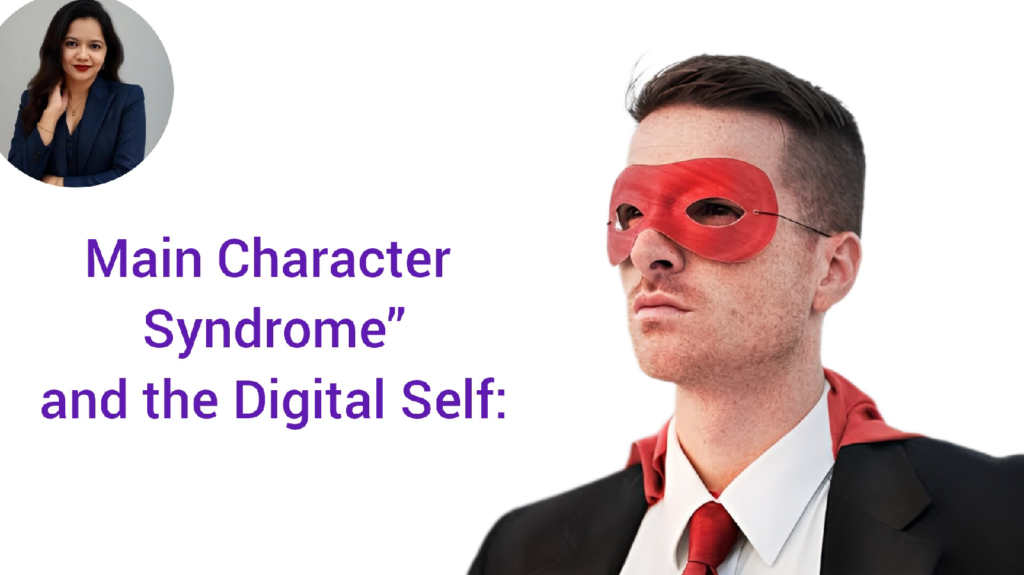
One of the significant impacts of adopting this syndrome is its influence on interpersonal relationships. When individuals approach life with a narrative centered around themselves, they may inadvertently neglect the perspectives and needs of those around them. This self-centered viewpoint could foster feelings of isolation or disconnection in friendships, as it diminishes the empathetic understanding essential for healthy relationships. Furthermore, this often results in a lack of reciprocity, where the individual primarily seeks validation and support without offering the same in return.
The mental well-being of a person exhibiting Main Character Syndrome can also be adversely affected. This mindset may lead to feelings of inadequacy when reality doesn’t align with their expectations of being the ‘main character.’ Such experiences can contribute to anxiety, low self-esteem, and even depression, especially when individuals find themselves unable to fulfill the heroic narratives they create in their minds. However, it is worth noting that this syndrome can sometimes spur individuals toward self-improvement, acting as a motivating force that encourages them to take charge of their lives, set goals, and pursue personal development.
Ultimately, while Main Character Syndrome can potentially lead to narcissistic behaviors and self-centeredness, it may also serve as a catalyst for accountability and growth. The challenge lies in balancing this mindset to cultivate greater awareness of the interconnectedness of human experiences, thus ensuring that individual narratives do not overshadow the collective stories we share.
Cultural Influence and Social Media
The cultural landscape of today is intricately linked with social media, which plays a significant role in the proliferation of what is often termed “main character syndrome.” This phenomenon is characterized by individuals perceiving themselves as the primary protagonist in their life narratives, often driven by the influence of curated online personas. Platforms like Instagram, TikTok, and YouTube not only allow users to craft idealized versions of themselves but also promote an environment where self-centered storytelling is celebrated, consequently influencing users’ self-perception.
The rise of influencer culture epitomizes this trend, as many influencers curate their content to highlight their lives in a manner reminiscent of a scripted narrative. Influencers often create content that is aspirational, showcasing their triumphs, emotions, and lifestyle choices, which can lead followers to emulate their trajectories. This dynamic fosters an idea that life should be an exciting tale, with users seeking to adopt roles akin to main characters in their personal accounts, thus propagating the notion that being the center of attention is not just permissible but desirable.
Real-life examples abound, as seen in the increased engagement levels of users posting their daily experiences through carefully crafted photos and videos that prioritize personal achievements. Statistics indicate that approximately 80% of young adults report feeling pressured to maintain an appealing online presence. Furthermore, studies reveal that heavy social media users are more likely to exhibit self-centered behavior and diminished empathy for others. As a result, social media continues to cultivate a perception that prioritizes individual narratives over collective experiences, intensifying the societal propensity towards main character syndrome.
Navigating Life with Main Character Syndrome
Individuals who experience main character syndrome often find themselves engrossed in their own narratives, viewing their lives through a lens of personal significance. While this can foster creativity and a sense of agency, it may also lead to challenges in interpersonal relationships and self-awareness. Therefore, it is essential to balance this self-centered perspective with strategies that promote empathy and understanding for others’ stories.
One effective approach to mitigate the effects of main character syndrome is practicing self-reflection. Setting aside regular moments for introspection allows individuals to evaluate their thoughts, feelings, and motivations. Journaling can serve as a powerful tool in this practice, in which one can articulate experiences, reactions, and aspirations while also considering how these relate to those around them. This habit not only enhances self-awareness but also cultivates a broader perspective on the shared human experience.
Another key strategy involves consciously fostering empathy. Engaging in activities that highlight the narratives of others can provide valuable insights. For example, participating in community service or volunteering can immerse individuals in narratives different from their own, enriching their understanding of diverse perspectives. Listening to others—whether through conversations or storytelling—enables one to appreciate the complexity of different lives and the contexts shaping them.
Moreover, balancing the focus between one’s own story and the tales of others can enhance personal relationships. Encouraging open dialogues in friendships and family dynamics helps create safe spaces for individuals to share their experiences without overshadowing another’s narrative. It is essential to remember that while each person’s story possesses significance, the collective experiences shape our communities.
By applying these strategies, individuals can navigate life with a newfound awareness, leveraging the insights from main character syndrome positively. In doing so, they can embrace their narratives while simultaneously appreciating the vibrancy and depth of shared experiences within the tapestry of life.
