



Introduction: The Enduring Fascination with Wild Bandito
Across civilizations and generations, symbols have played a powerful role in expressing human values, emotions, and aspirations. Certain figures and icons gain special significance because they represent qualities that people admire or desire. Among these enduring symbols, the figure of the Wild Bandito stands out as a fascinating cultural image associated with power, love, and wealth. Although the idea of a “bandito” or outlaw may appear contradictory at first—someone outside the law yet admired—the symbolism behind the Wild Bandito reflects deeper human themes such as rebellion, freedom, passion, and the pursuit of prosperity.
Throughout history, societies have often romanticized the outlaw figure. From folk legends to modern entertainment, these characters embody courage, independence, and strength. The Wild Bandito represents not merely a rebellious character but a symbolic archetype that reflects the human desire for influence, romance, and fortune. Over centuries, stories, art, and cultural traditions have shaped the Wild Bandito into a figure that transcends time and geography.
Understanding why the Wild Bandito has been associated with power, love, and wealth requires exploring history, cultural storytelling, artistic representation, and the psychological appeal of heroic outlaws.
The Historical Roots of the Bandito Archetype
The origins of the bandito archetype can be traced back to regions where social inequality and rigid authority systems existed. In many societies, individuals who resisted oppressive systems were sometimes labeled as outlaws, yet they gained admiration from ordinary people who saw them as champions of justice or symbols of resistance.
In historical folklore, bandits were often portrayed not simply as criminals but as individuals who challenged unfair power structures. These stories presented them as brave figures who used intelligence, skill, and daring to outwit powerful elites. Over time, such characters evolved into legendary figures who symbolized personal power and independence.
The Wild Bandito character emerged from this tradition of heroic outlaw narratives. Unlike ordinary criminals, this archetype carried an aura of charisma and courage. He was often depicted as someone who commanded respect, inspired loyalty, and possessed the confidence to confront powerful forces. These qualities naturally aligned the Wild Bandito with the idea of power.
Power in this context was not only physical strength but also influence, fearlessness, and the ability to shape one’s destiny. This is why stories featuring such characters resonated strongly with audiences, especially in cultures where people admired individuals who refused to submit to unjust authority.
Power and the Spirit of Independence
One of the strongest reasons the Wild Bandito became a symbol of power is the theme of independence. Throughout history, individuals who dared to break free from social restrictions were often admired for their courage. The Wild Bandito represented someone who refused to be controlled, someone who lived by his own rules and shaped his own path.
This independence translated into a powerful image. In storytelling and visual art, the Wild Bandito is often portrayed as confident, fearless, and commanding. Whether riding through desert landscapes or standing against powerful enemies, the character radiates authority and strength.
Power in cultural symbolism is frequently connected with control over one’s circumstances. The Wild Bandito embodies this idea perfectly. Instead of being trapped by societal expectations, he navigates life with boldness and determination. This ability to stand alone and remain unafraid created a powerful myth that people found inspiring.
In modern interpretations, the Wild Bandito still carries this symbolic energy. Even when appearing in games, films, or illustrations, the character represents confidence, risk-taking, and leadership. These qualities continue to reinforce the image of the Wild Bandito as a symbol of personal power.
The Romantic Appeal of the Wild Bandito
Another important aspect of the Wild Bandito legend is its connection to love and romance. Cultural storytelling often portrays rebellious heroes as passionate individuals with intense emotional depth. The Wild Bandito, despite his rough exterior, is frequently depicted as a figure capable of deep loyalty and devotion.
This combination of strength and emotional intensity makes the character appealing in romantic narratives. Many legends describe the bandito as someone who protects loved ones, risks everything for passion, and follows the call of the heart rather than social conventions. These qualities transform the character from a simple outlaw into a romantic hero.
Love stories connected with outlaw figures often carry dramatic elements. Forbidden relationships, dangerous adventures, and acts of sacrifice create powerful emotional narratives. The Wild Bandito becomes a symbol of love that is fearless and uncompromising.
In literature and entertainment, this romantic image has endured because it captures the idea that true love often requires courage and defiance. The Wild Bandito is willing to challenge authority, distance, and danger in order to protect or win the heart of someone special. This fearless devotion has helped solidify the character’s place as a symbol of passionate love.
Wealth and the Allure of Fortune
Wealth is another symbolic layer connected with the Wild Bandito figure. In many legends and modern portrayals, banditos are associated with treasure, gold, or hidden fortunes. While these stories may vary in detail, they often share a theme of daring adventures leading to valuable rewards.
The idea of the outlaw discovering hidden wealth or reclaiming riches from corrupt elites contributes to the character’s association with prosperity. In some stories, the bandito redistributes wealth to the poor, reinforcing the image of a rebellious hero who challenges economic injustice.
In other portrayals, the Wild Bandito symbolizes the pursuit of fortune through risk and courage. This aligns with a broader cultural idea that wealth often requires bold decisions and willingness to face uncertainty. The bandito’s adventurous spirit reflects the belief that fortune favors those who dare to act.
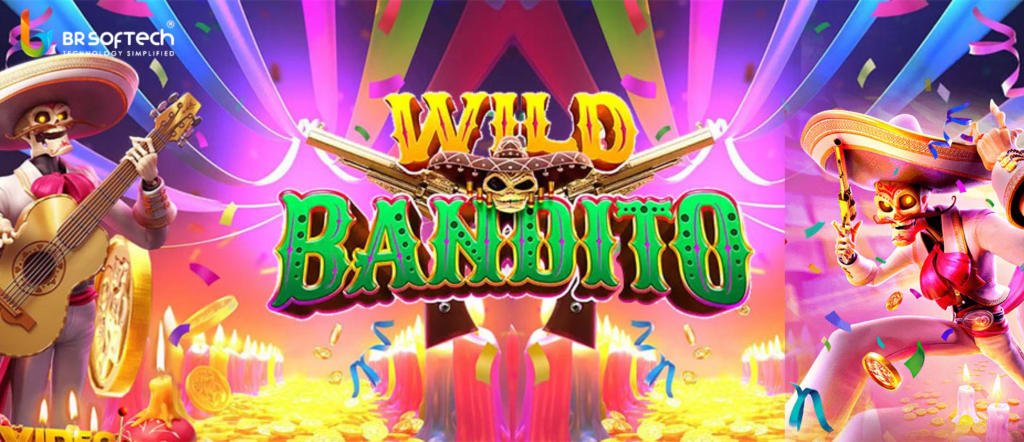
Over time, this symbolism has extended into entertainment industries such as gaming, storytelling, and visual media. The Wild Bandito often appears in environments filled with treasure chests, gold coins, and symbols of prosperity. These elements reinforce the connection between the character and the dream of financial success.
Cultural Storytelling and the Power of Myth
The persistence of the Wild Bandito image is largely due to the power of storytelling. Human cultures have always relied on myths and legends to convey values, aspirations, and lessons. Characters like the Wild Bandito serve as larger-than-life figures that capture complex human emotions and ambitions.
In storytelling traditions across the world, outlaw heroes appear in many forms. These characters represent freedom, rebellion, justice, and adventure. The Wild Bandito is one of the most vivid expressions of this universal archetype.
Artists, writers, and creators have continuously reinvented the character for new audiences. Each generation adds its own interpretations, shaping the myth while preserving its core themes. This adaptability allows the Wild Bandito to remain relevant even as cultural contexts change.
Through stories, images, and entertainment, the character continues to symbolize the timeless human desire for power, love, and wealth.
The Psychological Appeal of the Outlaw Hero
The enduring popularity of the Wild Bandito also reflects deeper psychological factors. Humans are naturally drawn to stories about individuals who break boundaries and challenge authority. Such characters represent freedom from limitations and the courage to follow personal dreams.
The Wild Bandito embodies the fantasy of living without restrictions. While real life requires rules and responsibilities, fictional figures allow people to imagine what it might feel like to live boldly and independently.
Additionally, the character represents the balance between danger and charisma. The Wild Bandito is not simply reckless; he is intelligent, strategic, and charming. These qualities make the character both thrilling and admirable.
Psychologically, audiences connect with the idea of transformation. The bandito often starts as an outsider but becomes a legendary figure through courage and determination. This narrative reflects the universal hope that individuals can rise above their circumstances and achieve greatness.
The Modern Legacy of the Wild Bandito
Even in the modern era, the symbolism of the Wild Bandito continues to thrive. From movies and books to digital entertainment and art, the character remains a powerful cultural icon.
Modern interpretations often emphasize style, adventure, and charisma. The Wild Bandito is portrayed with distinctive clothing, confident posture, and dramatic settings that highlight the character’s bold personality. These visual elements reinforce the timeless themes associated with the archetype.
The character’s connection to power, love, and wealth remains strong because these themes are universal. People across cultures continue to admire individuals who demonstrate courage, passion, and ambition.
In contemporary storytelling, the Wild Bandito may appear in new forms, but the essence of the character remains unchanged. He still represents independence, romantic intensity, and the pursuit of fortune.
Conclusion: A Symbol That Transcends Time
The Wild Bandito has endured for centuries because the character embodies some of the most powerful human aspirations. Through history, storytelling, and artistic representation, the figure has evolved into a symbol of strength, passion, and prosperity.
As a symbol of power, the Wild Bandito represents independence, courage, and the ability to challenge authority. As a symbol of love, the character reflects devotion, passion, and emotional intensity. As a symbol of wealth, the bandito embodies the dream of fortune gained through adventure and bold action.
These themes resonate deeply with audiences because they mirror fundamental human desires. People admire figures who dare to live freely, love fiercely, and pursue success without fear.
For this reason, the legend of the Wild Bandito continues to thrive in modern culture. Whether in folklore, art, or entertainment, the character remains a timeless icon that captures the imagination and reminds us of the powerful dreams that have shaped human storytelling for centuries.
