




Understanding the Concept of Classroom 30x
The term ‘Classroom 30x’ represents a transformative approach to education that aims to redefine the traditional learning environment. This innovative concept is centered around the idea of enhancing educational experiences by integrating technology, collaborative strategies, and personalized learning paths tailored to the diverse needs of students. Classroom 30x not only fosters an engaging atmosphere but also strives to create a more inclusive educational setting.
At its core, Classroom 30x encapsulates the notion that students today require an engaging and supportive learning environment that goes beyond the conventional classroom settings. It seeks to employ a variety of teaching methodologies and tools to cater to different learning styles, ensuring that every student can thrive, regardless of their background or learning preferences. By promoting flexibility in instructional methods, educators can adapt their teaching strategies in real time to better serve their classroom population.v
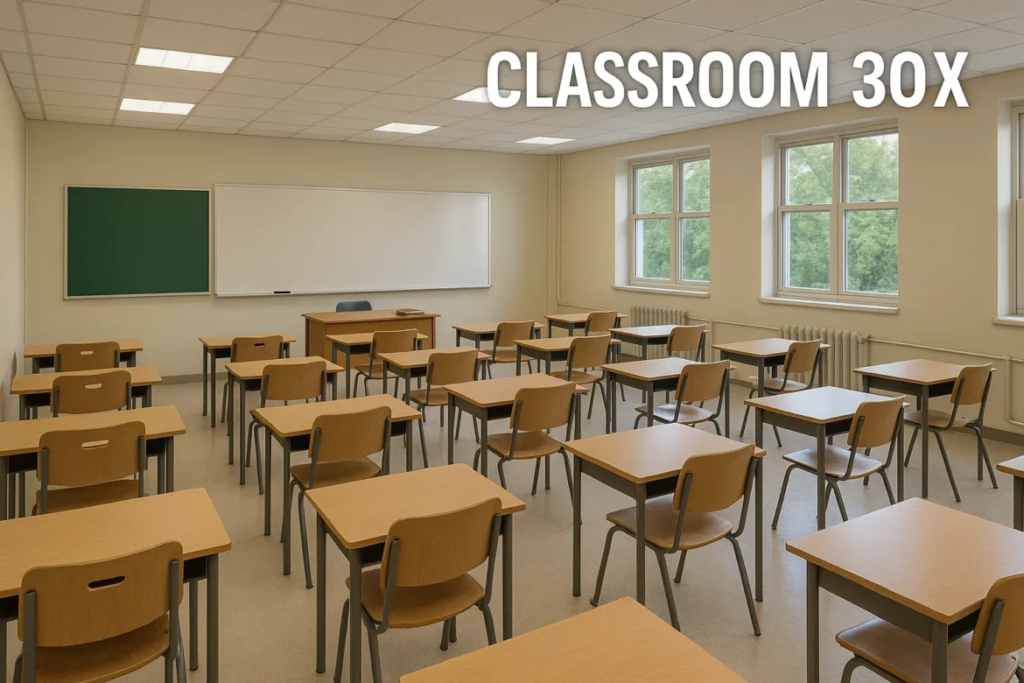
The origins of Classroom 30x can be traced back to the increasing recognition of the need for innovative educational practices that address the dynamic requirements of modern learner populations. As advances in technology continue to reshape our understanding of effective education, the Classroom 30x approach emerges as a relevant solution to meet these evolving challenges. The overarching aim is to leverage technology and collaborative techniques to not only enhance academic success but also to cultivate essential skills such as critical thinking, communication, and teamwork.
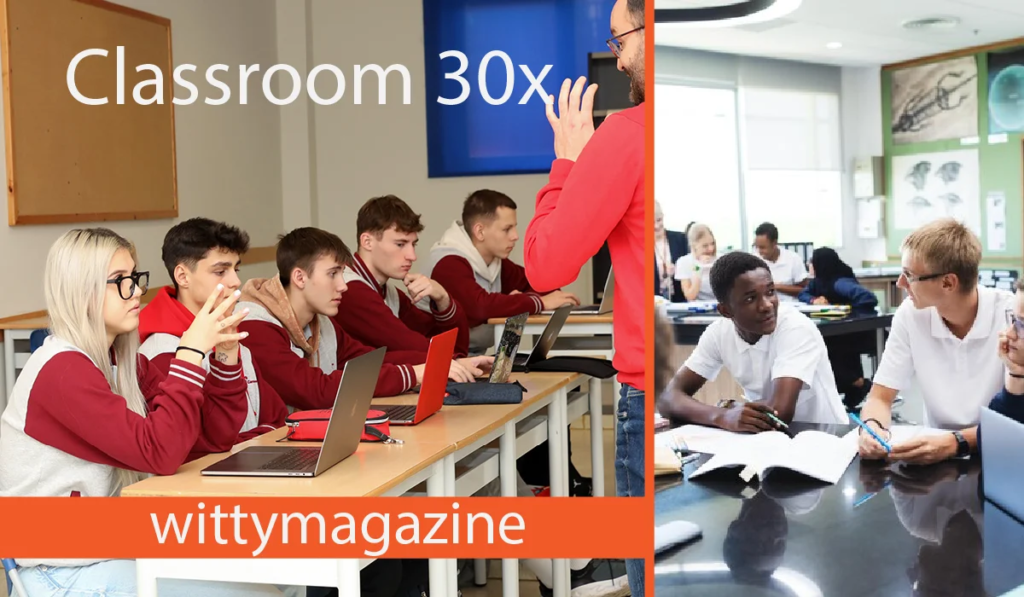
In today’s educational landscape, as classrooms become more diverse and dynamic, the relevance of Classroom 30x cannot be overstated. It serves as a framework for educators to better equip students for the complex challenges of the 21st century, ensuring that learning remains engaging, adaptive, and effective.
Key Features of Classroom 30x
Classroom 30x represents a paradigm shift in educational practices, where the traditional classroom model is enhanced with innovative elements designed to foster deeper engagement and learning. One of the hallmark features of Classroom 30x is its emphasis on collaborative learning. This feature encourages students to work together, share ideas, and learn from each other, which not only enhances academic performance but also builds essential social skills. By promoting teamwork and collaboration, Classroom 30x transforms the learning environment into a dynamic community.

Another distinguishing characteristic of Classroom 30x is the integration of technology into daily learning experiences. Gone are the days when teaching relied solely on textbooks and lectures; the integration of digital tools such as interactive whiteboards, tablets, and online platforms enriches the traditional classroom experience. These technologies provide students with access to vast resources and enable interactive learning, fostering both creativity and critical thinking. For instance, utilizing educational software can help personalize the learning journey of each student, catering to diverse learning styles and preferences.
Moreover, Classroom 30x emphasizes differentiated instruction methods, which allow teachers to tailor their teaching strategies according to the varied abilities and interests of their students. This approach not only addresses individual learning needs but is also instrumental in ensuring that every student can thrive academically. Differentiated instruction fosters an inclusive learning atmosphere where all students feel valued and understood. Overall, these key features of Classroom 30x contribute significantly to creating a more enriching and engaging learning experience, setting it apart from conventional classroom models.
Implementing Classroom 30x in Educational Settings
To effectively implement the Classroom 30x model, educators should focus on several key strategies that not only enhance the learning experience but also create an engaging environment for students. A critical first step is to design a flexible classroom layout that encourages collaboration and communication among students. This can be achieved through movable furniture, designated group areas, and technology integration that supports different learning modalities.
Curriculum development is another essential component of the Classroom 30x approach. Teachers should aim to incorporate interdisciplinary projects that require students to engage with multiple subjects, thus encouraging critical thinking and problem-solving skills. By linking various subject areas, educators can create meaningful connections that help students retain their knowledge and stay motivated.
The usage of technology plays a significant role in enriching the Classroom 30x experience. Tools such as interactive whiteboards, tablets, and educational software can facilitate dynamic lessons that capture students’ attention. Furthermore, utilizing online platforms for collaboration enables students to work together beyond the classroom, promoting a culture of teamwork and innovation.
Real-life examples of successful implementation can serve as inspiration to educators. For instance, a middle school in California redesigned its classroom space to include collaborative workstations that led to increased student engagement and improved academic performance. Teachers who embraced the Classroom 30x model reported higher student satisfaction and greater enthusiasm for learning. These success stories highlight the impact that thoughtful planning and resource allocation can have on the effectiveness of the Classroom 30x approach.
Through careful consideration of classroom design, curriculum, and technology, educators can create a stimulating learning environment that embodies the principles of the Classroom 30x model. This multifaceted approach not only benefits student learning outcomes but also enhances the overall teaching experience.
Measuring the Impact of Classroom 30x
To effectively measure the impact of the Classroom 30x approach on student learning outcomes, it is essential to employ a variety of assessment techniques. These techniques can include formative assessments such as quizzes, projects, and class discussions that provide ongoing feedback about student understanding. Summative assessments can also be beneficial, as they offer a comprehensive evaluation of student knowledge after a unit or course is completed. By utilizing both formative and summative assessments, educators can gain a clearer picture of the effectiveness of the Classroom 30x model on student learning.
Feedback mechanisms play a crucial role in this measurement process. Surveys and reflections conducted by students after lessons can provide valuable insights into their experiences and the perceived effectiveness of the Classroom 30x approach. Additionally, peer assessments can foster a collaborative learning environment while also giving teachers a sense of how students are engaging with the material and each other. For accurate data collection, educators need to ensure that these feedback tools are user-friendly and designed with clear purpose.
However, potential challenges may arise when implementing these measurement strategies. Educators might face issues with student engagement or obtaining honest feedback. To overcome these obstacles, it is important to create a classroom culture that encourages open communication and values diverse perspectives. Professional development for teachers can also increase their confidence and competence in assessing the impact of the Classroom 30x model. Overall, using a combination of various assessment techniques, feedback methods, and addressing challenges head-on can significantly enhance the understanding of how the Classroom 30x approach contributes to student learning outcomes.
