



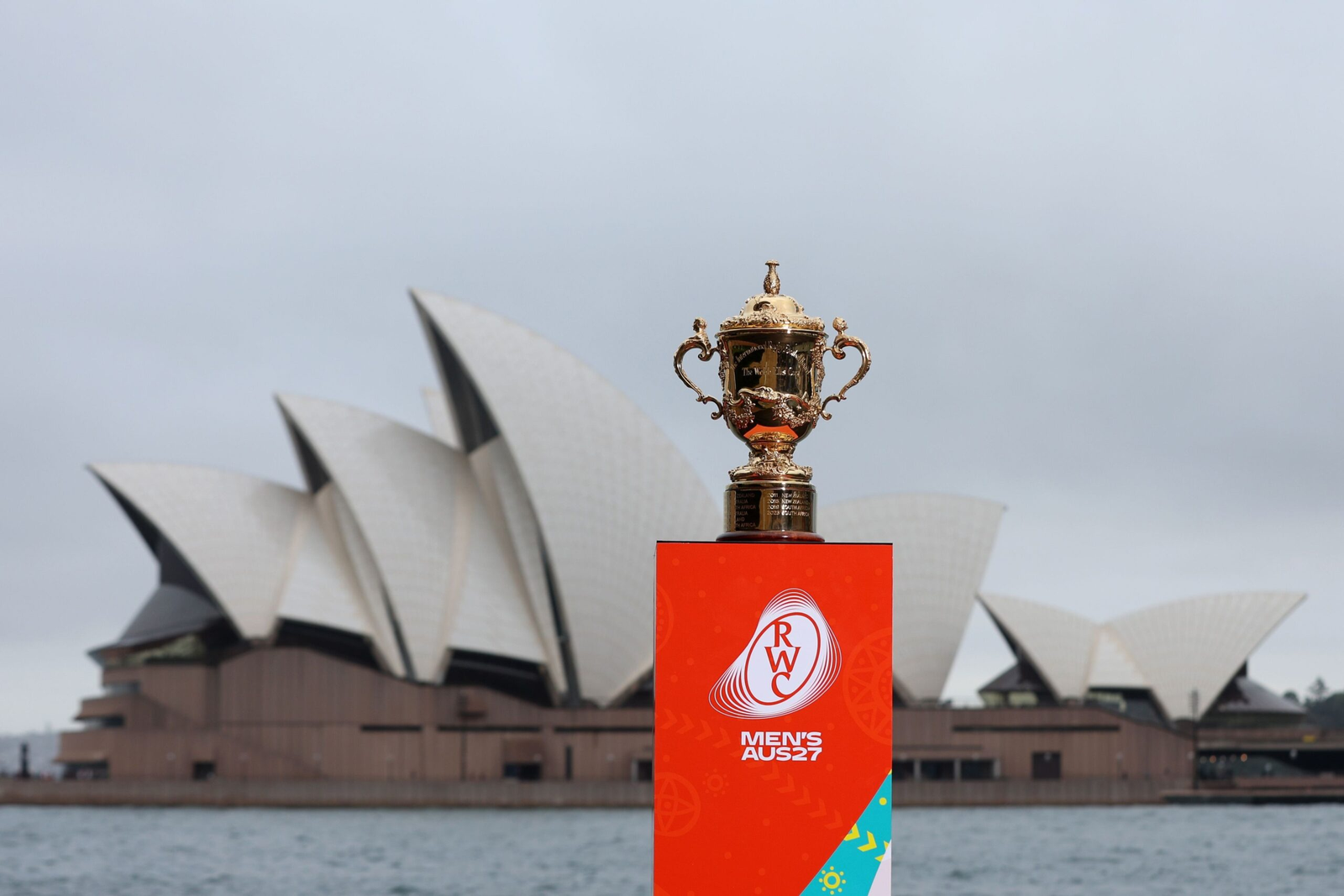
Introduction to the 2027 Rugby World Cup
The 2027 Rugby World Cup is set to be a monumental event in the world of rugby, capturing the attention of fans and players alike. This prestigious tournament, organized by World Rugby, will mark the 10th edition of the men’s Rugby World Cup, solidifying its place as one of the key highlights in the international rugby calendar. Scheduled to take place in Australia, it will bring together the best rugby union teams from around the globe, uniting nations in their pursuit of the coveted Webb Ellis Cup.

The significance of the 2027 Rugby World Cup extends beyond mere competition; it represents the culmination of years of preparation, strategy, and dedication on the part of teams, coaching staff, and rugby associations. For Australia, hosting the World Cup not only showcases its commitment to the sport but also enhances its reputation as a premier destination for major international sporting events. The country has a rich rugby history, having hosted the tournament back in 1987 and 2003, further igniting excitement for the event’s return.

Fans around the world can expect a carnival-like atmosphere during the tournament, with vibrant celebrations accompanying the matches. The 2027 edition promises to be more than just a series of games; it will be an opportunity for countries to display their rugby heritage, foster new rivalries, and inspire future generations of players. As anticipation builds, discussions around team preparations, potential dark horses, and key player performances will intensify, leading to a thrilling build-up to the tournament. Overall, the 2027 Rugby World Cup is not just a sports event; it is a cultural gathering of rugby aficionados, reinforcing the sport’s global significance.
Historical Context and Evolution of the Rugby World Cup
The Rugby World Cup, established in 1987, marks the pinnacle of professional rugby union, evolving from modest beginnings to becoming a global phenomenon. Initially co-hosted by New Zealand and Australia, the inaugural tournament included just 16 teams and witnessed New Zealand triumphing over France in the final, laying the groundwork for what has become a cherished tradition in the sport.
Over the years, this prestigious event has undergone significant transformations. Each tournament has not only showcased the prowess of participating nations but also highlighted key milestones in rugby history. For instance, the 1995 Rugby World Cup, held in South Africa, was pivotal in uniting a nation post-apartheid and is famously remembered for the iconic image of Nelson Mandela presenting the trophy to Francois Pienaar.
Notable matches such as the 2003 final, where England clinched their first title in dramatic fashion against Australia with a last-minute drop-goal, have contributed to the tournament’s allure and increased its following. Subsequent championships have witnessed the emergence of new rugby powerhouses and the continued dominance of traditional giants like New Zealand, Australia, and South Africa.
As the tournament has evolved, so has its format and global reach. The increasing number of teams, now at 2027 World Cup, and the inclusion of nations that were once considered underdogs, have enriched the competitive landscape of the event. This increase has paralleled the growing popularity of rugby worldwide, particularly in regions such as Europe and Asia. As we look forward to the 2027 Rugby World Cup in Australia, the anticipation is not just about the games themselves but also about the evolution of rugby as a sport, promising to inspire a new generation of players and fans alike.
Preparing for the 2027 World Cup: Teams, Players, and Predictions
The anticipation surrounding the 2027 Rugby World Cup is building, as teams around the globe look ahead to compete for rugby’s prestigious trophy. Historically, teams such as New Zealand, South Africa, England, and Australia have dominated the sport and are expected to showcase formidable performances in this upcoming tournament 2027 World Cup. These teams have consistently demonstrated their prowess by reaching the later stages of previous World Cups, establishing themselves as rugby powerhouses. Nonetheless, the evolution of the sport has opened doors for emerging nations such as Fiji and Argentina, who are making strides towards becoming serious contenders on the world stage.
In analyzing the current standings, it is essential to consider the shift in team rankings and form leading into the 2027 Rugby World Cup. The World Rugby rankings not only reflect team performance but also the individual skill set of players who will influence their teams’ results. Key players to watch include established stars who have made their mark in past tournaments and emerging talents who are poised to change the game. Player fitness, adaptability, and experience will play critical roles in the outcomes of matches.
As expert predictions amass, analysis often points to a few teams that may dominate based on their trajectory and consistency in international play in 2027 World Cup. The Kiwi’s innovative gameplay, the Springboks’ robust physicality, and the strategic mindset of the English squad compound to form stiff competition. Furthermore, it is important to keep an eye on the developing rugby nations that may cause surprises. With all these factors combined, the 2027 Rugby World Cup promises to be a thrilling showcase, capturing the hearts of fans and players alike. In conclusion, the buildup to this event will undoubtedly include a mix of traditional power and emerging challengers vying for the ultimate glory.
The Future of Rugby: Impact of the 2027 World Cup on the Sport
The upcoming 2027 Rugby World Cup presents a unique opportunity to catalyze growth and evolution within the sport. As rugby continues to gain popularity across various regions, particularly in developing nations, the 2027 World Cup tournament could act as a springboard for these countries to enhance their presence in the global rugby landscape. The investment in infrastructure, player development, and grassroots initiatives associated with hosting such a significant event can lay the groundwork for sustained advancements in rugby at all levels.
Moreover, marketing strategies linked to the 2027 Rugby World Cup will likely influence how the sport is presented to a broader audience. Enhanced media coverage, partnerships with sponsors, and increased engagement through digital platforms can amplify rugby’s visibility. For instance, leveraging social media can attract younger demographics, helping to cultivate a new generation of supporters and players. Engagement strategies, such as fan experiences and interactive content, can further deepen the relationship between the sport and its viewers.
In addition to economic and marketing implications, the tournament is expected to influence the global rugby culture. By showcasing a diverse array of playing styles and enhancing competitive balance, the 2027 World Cup may encourage countries traditionally viewed as underdogs to invest in their rugby programs. This diversity in competition will contribute to a more inclusive rugby ecosystem, ensuring that the sport is accessible and appealing to a global audience.
In conclusion, the 2027 Rugby World Cup is set to bring about significant changes in rugby, with its potential to inspire new fans, support developing nations, and establish a more dynamic future for the sport worldwide. The ramifications of the tournament will likely be felt long after the final whistle blows, shaping rugby for years to come.
