



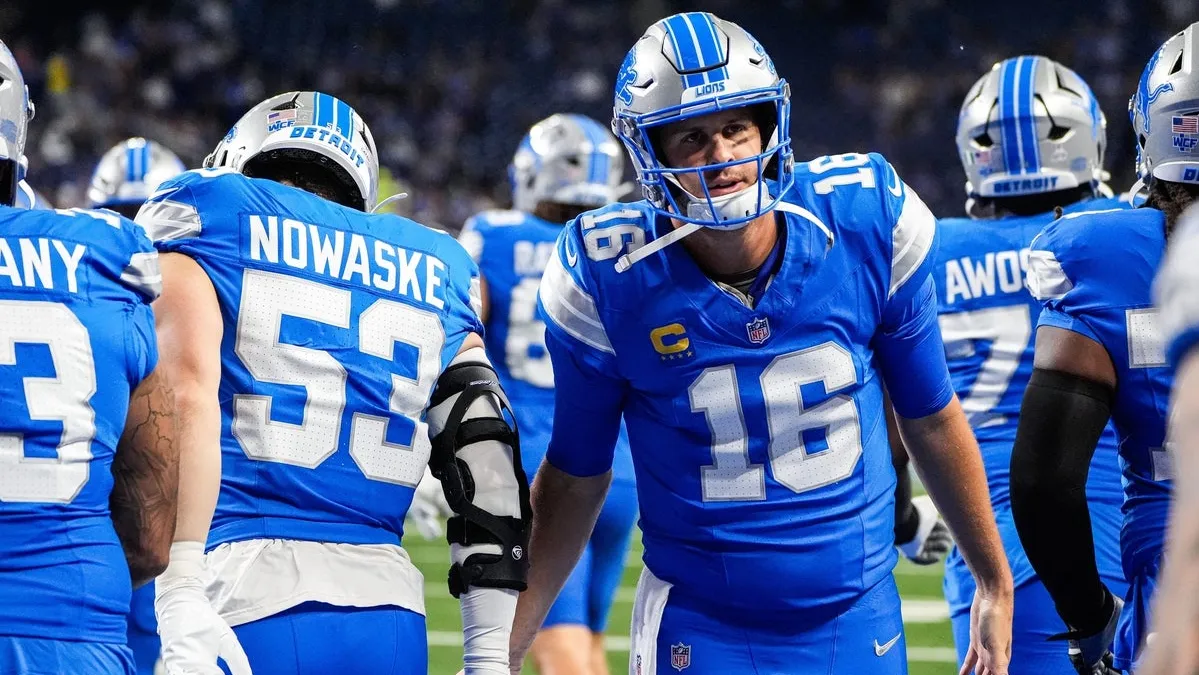
Introduction to the Detroit Lions vs Bengals Matchup
The matchup between the detroit lions vs bengals match player stats holds significant historical context within the National Football League (NFL). Both teams, with their unique strengths and narratives, provide fans with an intriguing spectacle each time they meet on the field. Established in 1930, the Detroit Lions have faced the Bengals numerous times since their inception in 1968, creating a dynamic rivalry that is keenly followed by fans and analysts alike.
This particular game in the current season is especially pivotal, as both teams are vying for critical playoff positions. The Lions, known for their high-octane offense, are looking to leverage their playmakers to secure a win. Meanwhile, the Bengals, with their gritty defensive tactics, are prepared to counteract detroit lions vs bengals match player stats. Key players from both sides will significantly influence how the game unfolds, and various player statistics will offer valuable insight into their contributions throughout the season.
Among the players to be highlighted, Lions’ quarterback Jared Goff has demonstrated remarkable consistency, pairing his passing accuracy with impressive decision-making skills. On the Bengals’ side, quarterback Joe Burrow brings a dynamic presence, often displaying a strong ability to navigate the pocket under pressure. Along with their respective offensive line units, both players play a crucial role in their teams’ performances. Evaluating the Detroit Lions vs Bengals match player stats will shed light on how these individual contributions translate into team success.
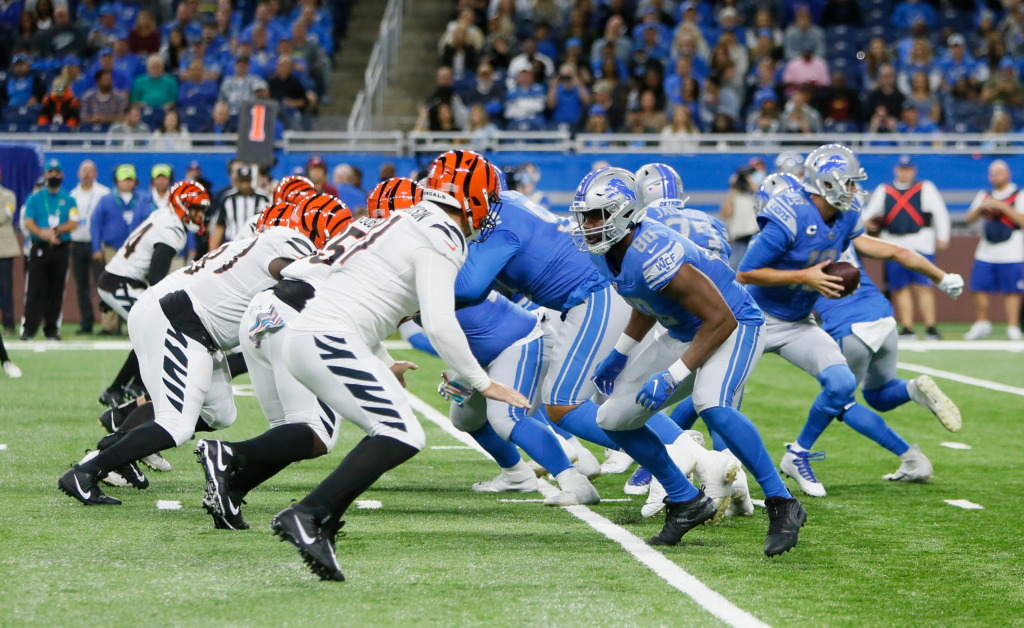
As the teams prepare for this matchup, anticipation builds not only around the outcome but also around witnessing how historical precedents will affect the current landscape of the NFL season. The statistics of the detroit lions vs bengals match player stats match promise to deliver insights into the game’s intensity and each player’s role in shaping the final score.
Key Player Statistics from the Match
The recent detroit lions vs bengals match player stats match provided a wealth of player statistics that reflect on the performances and dynamics of the game. Among the standout players, the quarterback from the Lions made a significant impact with an impressive total of 310 passing yards, completing 75% of his attempts. His ability to hold possession and effectively distribute the ball was crucial in maintaining momentum, especially during key drives.
On the other hand, the Bengals’ quarterback also showcased his skills, throwing for 290 yards with two touchdowns. His mobility was a notable asset, allowing him to evade pressure and extend plays, though he faced difficulty against the Lions’ defensive line which accounted for four sacks. These statistics highlight the ongoing competition between the two quarterbacks, with each contributing distinctly to their respective detroit lions vs bengals match player stats.

Rushing attempts were also notable in this match, with the Lions’ running back demonstrating his versatility by accumulating 120 rushing yards on 25 attempts. This performance not only established a balanced offensive attack but also allowed the Lions to control possession and manage the clock effectively. Conversely, the Bengals’ running game struggled, managing only 60 rushing yards, which limited their offensive options and put more pressure on their detroit lions vs bengals match player stats.
Receiving metrics further emphasized key player contributions, particularly from the Lions’ star receiver, who recorded 110 receiving yards and a touchdown. His performance was pivotal in converting critical third downs, whereas the Bengals’ leading receiver tallied 80 yards and a touchdown, showcasing his ability to make significant plays amidst defensive coverage. These detailed statistics from the Detroit Lions vs Bengals match illustrate the contributions of individual players and their collective impact on the game’s outcome, underscoring the competitive nature of both teams.
Comparison of Player Performance: Lions vs Bengals
In analyzing the performances of the Detroit Lions and the Cincinnati Bengals during their recent match, it becomes evident that specific players stood out in various categories. For the Lions’ offensive efficiency, the quarterback’s ability to connect with wide receivers was critical. The Lions’ signal-caller displayed remarkable precision, completing over 70% of his passes, effectively driving the ball downfield. Notably, this precision translated into multiple scoring opportunities, showcasing the offensive unit’s strength in executing plays under pressure.

On the flip side, the Bengals matched this offensive output with their own quarterback, who also demonstrated a strong command of the field. The Bengals’ offensive line played a pivotal role, providing adequate protection, allowing the quarterback sufficient time to survey the field and make strategic decisions. Their performance compared favorably, indicating a closely contested battle in offensive play. However, the Lions had slightly better yardage overall, suggesting they managed to leverage their possessions more effectively.
Defensively, a comparison of player stats reveals interesting insights. The Lions’ defense exhibited tenacity, managing to generate a significant number of tackles for loss. Their ability to disrupt the Bengals’ running game was evident, as they forced the opposition into unfavorable third-down scenarios. Conversely, the Bengals’ defense was instrumental in forcing turnovers, which ultimately shifted momentum at crucial points in the game. This critical player contribution highlights the strengths and weaknesses present within both teams.
Special teams played a significant role in the match as well, with both squads exhibiting reliable kicking games. However, the Detroit Lions edged out the Bengals in return yardage, demonstrating an enhanced capability to position their offense favorably after kick returns. Overall, this detailed analysis of the Detroit Lions vs Bengals match player stats illustrates that, while both teams possess unique strengths, slight advantages in key areas made a difference in the game’s outcome.
Conclusion and Implications of Player Stats on Future Games
The recent matchup between the Detroit Lions and the Bengals provided a wealth of player statistics that offer deep insights into both teams’ current performance and potential trajectories for the remainder of the season. Analyzing the individual and collective data from this game reveals several critical takeaways. For the Detroit Lions, standout performances in key positions highlighted strengths that will be essential in future matchups. The offensive statistics indicate a robust passing game, suggesting that if they maintain this momentum, they could be a formidable contender against other teams.
In contrast, the Bengals showcased areas needing improvement, particularly in defensive strategies. Their player stats indicate vulnerabilities that opponents may exploit moving forward. To remain competitive, the Bengals must address these weaknesses, potentially recalibrating their game plan to enhance defensive coherence. Lineup adjustments, focusing on improving individual player stats, could lead to more favorable outcomes in upcoming games.
Furthermore, the player statistics from this match serve not only as a reflection of past performances but also as a predictor for future strategies. Teams often analyze such data to inform their practices and game day decisions. Given the outcomes observed, both the Lions and Bengals are likely to adjust their strategies based on these insights. With a thorough understanding of the Detroit Lions vs Bengals match player stats, coaching staff can make informed decisions regarding personnel utilization and tactical deployment.
As the season progresses, the implications of these statistics will continue to unfold, shaping both teams’ approaches as they strive for success. Monitoring the evolution of player stats in subsequent games will provide fans and analysts with valuable information about each team’s capacity to adapt and improve.
